10 Essential Tips for Choosing the Right Toilet Safety Aids

Choosing the right toilet safety aids can make a significant difference in maintaining independence and safety at home. Renowned occupational therapist Dr. Sarah Thompson emphasizes, "The right aids can empower users, enhancing their confidence and mobility." Navigating the vast array of toilet safety products may feel overwhelming, especially for seniors or caregivers.

When selecting toilet safety aids, it’s essential to consider individual needs. For instance, not every person requires the same type of commode or grab bar. Some may need additional support, while others might prioritize ease of use. Understanding the unique requirements of each user should guide the decision-making process.

Additionally, reflect on the available space and bathroom layout. Compact designs may be more suitable for smaller areas, yet they should not compromise functionality. Engaging with experts and reading customer reviews can provide valuable insights. Ultimately, this decision is pivotal for those seeking both safety and dignity in their daily routines.
10 Essential Tips for Choosing the Right Toilet Safety Aids

Understanding the Importance of Toilet Safety Aids for Home Use

Toilet safety aids play a critical role in promoting independence and safety for individuals, especially the elderly and those with mobility challenges. A report from the World Health Organization states that falls are among the leading causes of accidents at home, with about 37 million falls requiring medical attention each year. These statistics highlight the importance of investing in safety solutions like grab bars and raised toilet seats.

Properly chosen aids significantly reduce the risk of falls. Studies show that 30% of older adults experience at least one fall each year, often leading to serious injuries. Ensuring that a toilet safety aid properly supports the user is essential. An aid that does not fit well can increase the likelihood of accidents. Users often overlook the weight limits and specifications of these aids, which can lead to dangerous situations.

The bathroom can be a hazardous space, making safety aids crucial. One survey indicated that 70% of caregivers reported concerns about bathroom safety for their loved ones. Selecting the right aids should not be taken lightly. Each person's needs are unique. Engaging with healthcare professionals can provide valuable insights to make informed choices. Awareness of these realities drives toward safer bathroom environments.

Identifying Different Types of Toilet Safety Aids Available on the Market

When it comes to choosing the right toilet safety aids, understanding the different types available can be overwhelming. Many individuals seek support for mobility and safety in the bathroom. It's essential to explore various options that cater to individual needs.

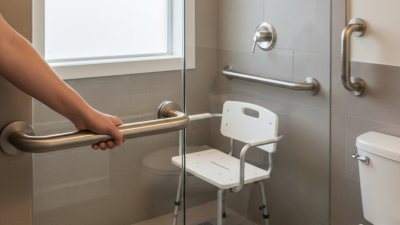
Grab bars are a common choice. They provide stability and can be installed next to the toilet. These bars allow users to secure themselves during transfers. Raised toilet seats are another popular aid. They elevate the height of the toilet, reducing strain on knees and backs. Some models come with armrests for added support.

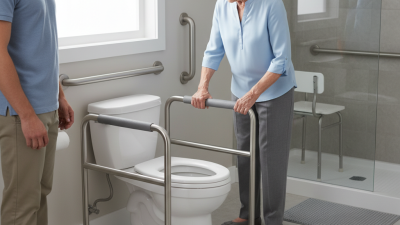
Toilet safety frames are also worth considering. These frames surround the toilet and offer more stability while sitting down or standing up. They can be adjustable, accommodating various heights. Each type of aid serves a unique purpose, but they might not be suitable for everyone. Users need to assess personal limitations and preferences before making a decision. Finding the right fit can take time and may require trial and error. It’s okay to consult experts or caregivers for guidance in this process.

10 Essential Tips for Choosing the Right Toilet Safety Aids

This chart illustrates the various types of toilet safety aids available on the market, along with their effectiveness ratings based on user feedback.

Assessing Individual Needs and Mobility Levels for Optimal Aid Selection

Choosing the right toilet safety aids begins with assessing individual needs and mobility levels. Every person's situation is unique. Someone with limited mobility might require raised toilet seats. A person with balance issues may benefit from grab bars installed nearby. Understanding these needs is crucial for effective assistance.

Consider the bathroom layout as well. Tight spaces may not allow large safety aids. A simple, compact solution could be more effective. Evaluate how often the aid will be used, as frequent use demands sturdier options. It's essential to prioritize comfort while ensuring safety.

Identifying the user’s specific challenges can yield better aid choices. Observe their movement patterns. If they struggle to sit or stand, additional support is vital. Engage family members in discussions about these choices. Their insights can lead to a better selection process. Ultimately, the goal is to create a safe and supportive environment tailored to individual requirements.

Evaluating Material Quality and Durability in Toilet Safety Aids

When selecting toilet safety aids, evaluating material quality and durability is paramount. The right materials can drastically affect both safety and comfort. Look for aids made from high-quality plastics or aluminum. These materials are generally more resistant to wear and tear. They can also withstand moisture, which is crucial in a bathroom environment.

Durability extends beyond just materials. Pay attention to weight limits and construction quality. Some aids may seem sturdy but can fail under consistent use. It's worth inspecting joints and connections. Weak points can be potential hazards. Consider asking professionals for their insights. Their experiences can provide valuable guidance.

Not all products are created equal, and sometimes reviews can be misleading. It might be helpful to see products in person before purchasing. Check for stability by testing them. This can reveal how they perform under pressure. Reflect on your specific needs, as each individual may require different support levels. Selecting the right safety aid can truly enhance independence and safety in the bathroom.

Ensuring Proper Installation and Maintenance for Maximum Effectiveness

Choosing the right toilet safety aids is important for individuals with mobility issues. Proper installation and maintenance are crucial for effectiveness. Safety aids must be secure to prevent falls and injuries. Begin by measuring the toilet height to select the right aid. The height should match the user's needs for ease of use.

Installation should follow the manufacturer's guidelines closely. Use a level to ensure that grab bars are straight and firmly attached. Check screws and anchors regularly to maintain stability. Small misalignments can lead to accidents. When using raised toilet seats, ensure they fit snugly on the toilet rim.

Once installed, regular maintenance is necessary. Inspect safety aids for wear and tear. Loose parts can compromise safety. Clean them regularly to prevent stains and slips. Encourage users to report any issues immediately. Prompt action can avert potential accidents. Always focus on the user's comfort and safety for the best outcomes.

10 Essential Tips for Choosing the Right Toilet Safety Aids - Ensuring Proper Installation and Maintenance for Maximum Effectiveness

Tip Number Safety Aid Type Key Features Installation Requirements Maintenance Tips
1 Grab Bars Sturdy, rust-resistant, non-slip Mount on wall with secure anchors Inspect monthly for looseness
2 Raised Toilet Seat Comfortable height, easy to clean Securely attach to toilet bowl Clean with non-abrasive cleaners
3 Toilet Safety Frame Adjustable height, lightweight Stand-alone; no permanent installation Wipe down after each use
4 Toilet Lid Lock Child-proof, durable material Adhesive installation on lid Check adhesive strength regularly
5 Toilet Commodes Portable, collapsible options Place near bed or preferred location Clean after each use; disinfect weekly
6 Non-Slip Bath Mat Water-resistant, textured surface Lay flat on bathroom floor Wash regularly; replace if worn
7 Toilet Paper Holder with Added Grip Ergonomic design, easy reach Wall-mounted or free-standing Ensure stability; replace if broken
8 Bedside Assist Rail Supports transition from bed to toilet Attach securely to bed frame Check for wear; tighten screws regularly
9 Shower Chair Height-adjustable, lightweight Place in shower or bathtub Dry after use; check legs for stability
10 Toilet Support Belt Adjustable, comfortable fit Wrap around waist securely Store dry; replace if frayed