2026 Top Elderly Care Equipment Innovations You Need to Know?
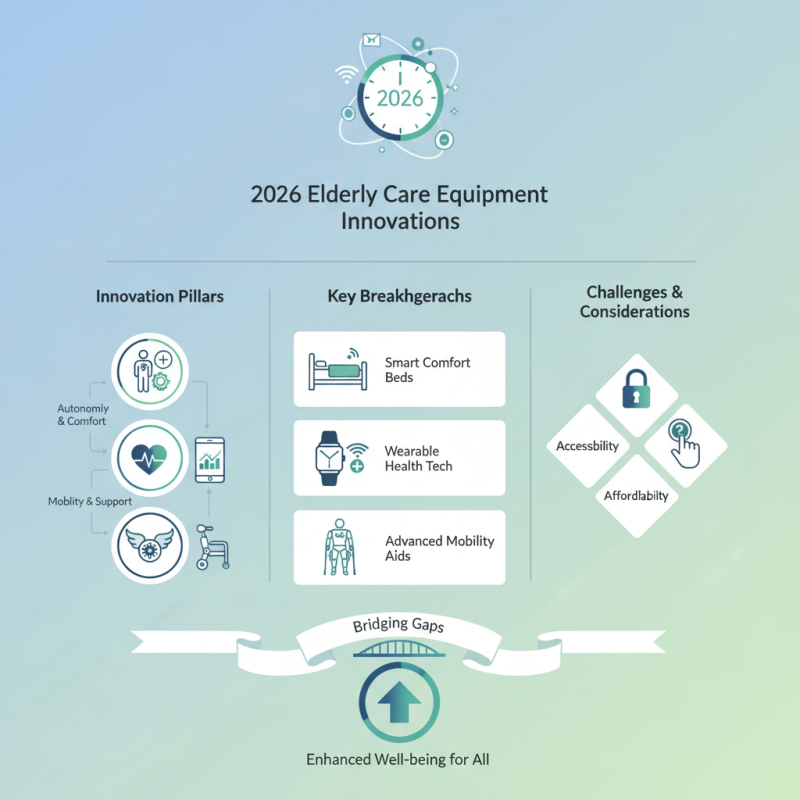
As we approach 2026, advancements in elderly care equipment promise to revolutionize support for the aging population. Innovative technologies are emerging that elevate both the quality of care and the autonomy of older adults. These breakthroughs not only enhance comfort but also address specific needs essential for maintaining health and well-being.
Elderly care equipment is evolving rapidly, incorporating smart features that cater to individual requirements. From mobility aids to health monitoring devices, each innovation plays a crucial role. However, while these advancements seem promising, there are challenges to consider. Accessibility, affordability, and usability remain significant concerns. It's vital to reflect on how these factors influence the actual adoption of new technology.
Taking time to evaluate these innovations can bridge gaps in elderly care. This ensures that everyone, regardless of their circumstances, can benefit. Understanding the impact of elderly care equipment equips us to advocate for solutions that truly make a difference.
Innovative Mobility Aids for Improved Independence in Seniors
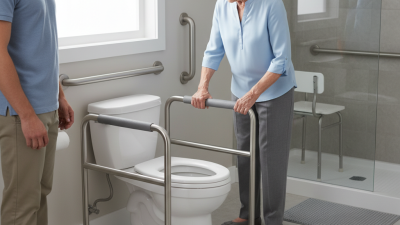
As the elderly population continues to grow, the demand for innovative mobility aids grows with it. According to the World Health Organization, approximately 15% of adults aged 60 and older experience significant mobility limitations. This statistic highlights the need for effective solutions that enhance independence for seniors. Innovative mobility aids are crucial in addressing this challenge, offering designs that prioritize usability and safety.
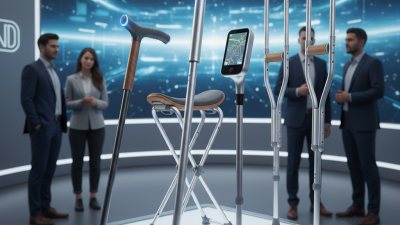
Recent market reports indicate that demand for advanced mobility devices is increasing. Features like smart technology integration, ergonomic designs, and lightweight materials are transforming traditional aids into essential companions for seniors. For instance, mobility scooters now often come with GPS navigation and user-friendly interfaces, enabling users to explore their surroundings confidently.
Despite these advancements, there are still significant gaps in accessibility and affordability. Many seniors and their families find some technologies overwhelming or too complex. The emphasis on intuitive designs can sometimes overlook the needs of less tech-savvy users. Moreover, cost remains a barrier; not all innovative aids are within reach for everyone, raising questions about inclusivity in elderly care. Balancing innovation and accessibility remains a challenge that the industry must tackle moving forward.
Smart Home Technology Enhancements for Elderly Safety and Comfort
As the population ages, smart home technology has become essential for elderly safety and comfort. Recent studies indicate that over 70% of seniors prefer aging in place, highlighting the importance of reliable technology. This shift drives innovation in home solutions tailored for older adults.
Smart sensors can detect falls, a critical concern for the elderly. According to the CDC, falls are the leading cause of injury among seniors. Devices that signal emergencies can provide peace of mind. Additionally, voice-activated assistants help seniors manage daily tasks. The ability to control lights or call for help through simple commands enhances independence.
However, challenges remain. Not all seniors are tech-savvy. A study from the Pew Research Center shows that 40% of older adults struggle with digital tools. Thus, some innovations might create frustration rather than assistance. Ensuring intuitive design is essential for widespread adoption. Moreover, privacy concerns arise, requiring balance between safety and personal space. This ongoing evolution is necessary to truly enhance seniors' lives.
2026 Top Elderly Care Equipment Innovations You Need to Know
| Innovation |
Description |
Benefits |
Technology Used |
| Smart Medication Dispenser |
Automated device that reminds and dispenses medication. |
Improves adherence to medication schedules. |
IoT, Mobile App Integration |
| Wearable Health Monitor |
Tracks vital signs like heart rate and blood pressure. |
Provides real-time health feedback. |
Bluetooth, Mobile App |
| Smart Home Security System |
Integrated cameras and sensors for monitoring. |
Enhances safety and peace of mind. |
IoT, AI Surveillance |
| Voice-Activated Assistants |
Devices that respond to voice commands. |
Facilitates communication and control of smart devices. |
Natural Language Processing, AI |
| Fall Detection System |
Automatically detects falls and alerts caregivers. |
Provides immediate assistance to seniors. |
Sensors, Machine Learning |
Wearable Health Monitors Transforming Elderly Care Management
Wearable health monitors are revolutionizing elderly care management. These innovative devices track vital signs and daily activities. They provide real-time data to caregivers, enhancing safety and well-being. However, the effectiveness of these gadgets depends on user adoption. Some seniors may resist new technology, leading to underutilization.
Data accuracy is crucial. Wearable devices need to deliver reliable information. Inaccurate data can mislead caregivers and affect health decisions. Training sessions are often necessary. Caregivers must understand how to interpret the data effectively. Also, comfort and ease of use are essential for older adults. Bulky or complex devices may deter seniors from wearing them consistently.
Privacy concerns are another challenge. Seniors may feel uneasy about sharing personal health information. It is vital to address these concerns transparently. Many devices now come with stringent security features. However, skepticism persists. Providers need to reassure users about the safety of their data. Overall, while wearable health monitors hold great promise, they require thoughtful implementation and education to truly transform elderly care management.
Assistive Communication Devices Enhancing Social Interaction for Seniors
As we age, communication can become more challenging. Assistive communication devices are changing the way seniors interact. These tools enhance social engagement and reduce feelings of loneliness. They can include everything from simple voice amplifiers to advanced apps that facilitate video calls. Many seniors find joy in connecting with family and friends through these devices.
Additionally, these innovations support cognitive health. Devices designed for easy use can stimulate mental activity. For instance, some tools offer reminders or prompts for daily tasks. This helps seniors maintain independence while staying connected. However, some individuals may struggle with technology. This highlights the need for user-friendly designs and proper training.
Social interaction is crucial for overall well-being. Assistive devices help bridge the gap between seniors and their loved ones. Despite the technology's potential, it is essential to assess its effectiveness. Understanding each senior's unique needs ensures these tools are truly beneficial. Continuous feedback can guide improvements, making future innovations more accessible.
2026 Top Elderly Care Equipment Innovations
This chart represents the percentage of elderly individuals using different assistive communication devices to enhance social interaction. The data reflects the growing trend in the adoption of these technologies among seniors.
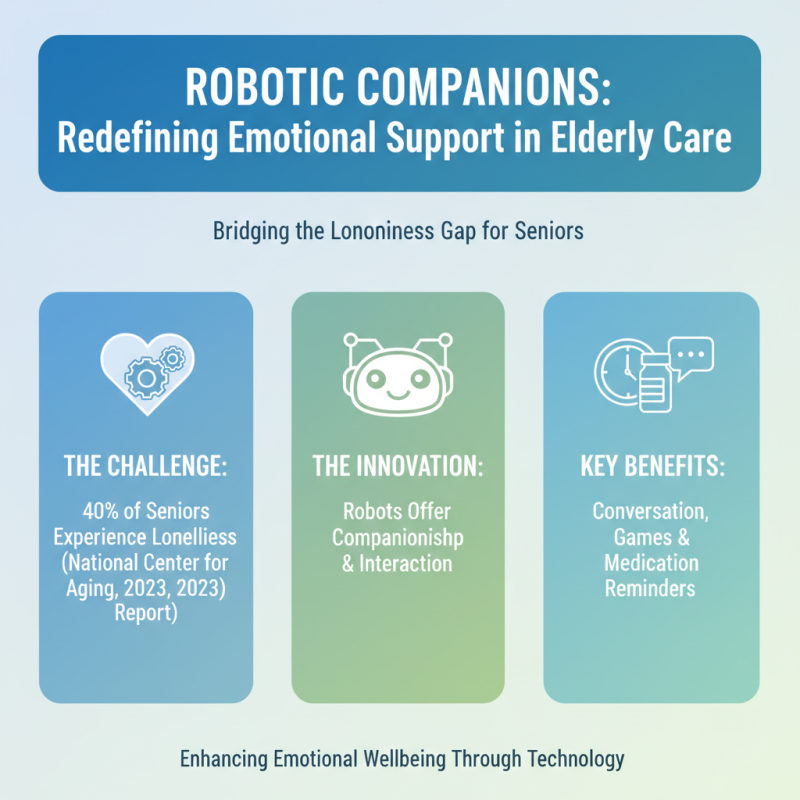
Robotic Companions: Redefining Emotional Support in Elderly Care
The growing use of robotic companions in elderly care is transforming emotional support. According to a 2023 report by the National Center for Aging, nearly 40% of seniors experience loneliness. This issue is addressed through robots designed to offer companionship. These robotic companions engage users in conversation, play games, and provide reminders for medication. This interaction mimics social connections, which are essential for emotional wellbeing.
Research indicates that seniors who interact with robotic companions show a 30% reduction in feelings of loneliness. These devices can sense emotions, responding in ways that provide comfort and support. However, there are concerns about dependency. Some experts worry that while robots can alleviate loneliness, over-reliance may diminish human interaction. The challenge remains to balance technology and social engagement.
Not all robotic solutions are perfect. Many users encounter difficulties when interacting with these devices. Technical issues can cause frustration. Seniors may require assistance to operate them effectively. Integration into daily life must consider user experience. This ongoing experimentation reflects the complexity of introducing technology in elder care. Developers must remain responsive to user feedback to enhance these innovations.