2026 Top Nursing Care Supplies for Quality Patient Care?
The nursing care supplies industry plays a crucial role in delivering high-quality patient care. As healthcare continues to evolve, the right supplies can enhance patient outcomes dramatically. Renowned nurse and healthcare consultant, Dr. Emily Carter, emphasizes, "Quality nursing care supplies are the backbone of effective patient care." Her perspective highlights the need for reliable and efficient tools in nursing practice.
In 2026, selecting the top nursing care supplies will focus on innovation and effectiveness. New advancements aim to streamline workflows and improve patient safety. For instance, smart monitoring devices are gaining traction, providing real-time data to caregivers. These innovations urge us to rethink what we consider the essentials in nursing care supplies.
However, we must also recognize challenges within the industry. Supply chain disruptions and fluctuating costs can lead to difficulties in accessing critical supplies. This disparity puts patient care at risk. Addressing these issues requires collaboration among healthcare professionals and suppliers. A forward-thinking approach is essential for ensuring that high-quality nursing care supplies are available to all.

Key Categories of Nursing Care Supplies for Optimal Patient Care
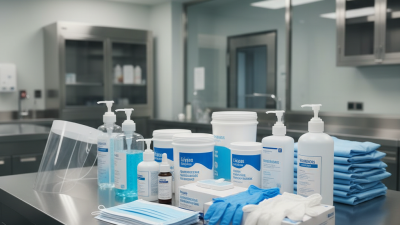
Nursing care supplies play a crucial role in delivering quality patient care in healthcare settings. Key categories of these supplies include personal protective equipment (PPE), wound care products, and monitoring devices. PPE, such as gloves and masks, help protect both patients and healthcare professionals from infections. They are essential in maintaining a sterile environment.
Wound care products are vital for treating injuries and preventing complications. Items like bandages, antiseptics, and dressings should be readily available in every nursing unit. Nurses must be knowledgeable about choosing the appropriate supplies for different types of wounds. The selection isn’t always straightforward; sometimes, products may not meet patients’ unique needs or may require adjustments.
Monitoring devices, such as blood pressure cuffs and pulse oximeters, are indispensable. They provide immediate feedback on a patient's condition. However, the reliance on technology can lead to lapses in clinical judgment. Nurses must balance their use with comprehensive assessments. It's essential to reflect on how these supplies impact patient outcomes and consider areas for improvement continuously.
2026 Top Nursing Care Supplies for Quality Patient Care
Essential Medical Equipment for Enhanced Nursing Practices
Nursing practices evolve continuously, relying heavily on essential medical equipment. Nurses need tools that enhance care delivery and improve patient outcomes. From vital sign monitors to wound care supplies, each item plays a critical role in everyday tasks. These tools should be reliable and user-friendly, tailored to the specific needs of patients.
High-quality stethoscopes are indispensable for accurate assessments. In contrast, automated blood pressure cuffs make routine checks faster and less invasive. A well-stocked supply of basic wound care items is crucial. Yet, not all supplies meet the demanding standards of various healthcare settings. A focus on accessible training is necessary to ensure nurses feel confident using these tools effectively.
Even with the best equipment, challenges persist. Equipment malfunctions can disrupt care. Furthermore, nurses may require more training for new technologies. Support from healthcare organizations is vital for continued education. Adequate preparation can significantly lower these risks, ensuring the safe patient management that nursing strives to provide.
Innovative Technologies in Nursing Supplies for Improved Patient Outcomes
Innovative technologies in nursing supplies are transforming patient care dramatically. Hospitals are increasingly adopting smart devices that monitor patients in real-time. Wearable sensors can track vital signs continuously, alerting nurses to potential issues promptly. These tools can save lives, but they also create challenges concerning data overload. Nurses must be trained to filter and prioritize alerts effectively.
Another significant advancement is the use of telehealth technology. This allows nurses to provide virtual care, reaching patients in remote areas. It expands access to vital health services but raises concerns about the quality of care and personal connection. Patients may feel isolated without face-to-face interaction. Moreover, not all patients are tech-savvy, which can lead to frustration.
Robotic assistants are also gaining a foothold in nursing care. They help with mundane tasks, allowing nurses to focus on direct patient interaction. However, dependency on automation can lead to a loss of essential skills over time. While these innovations promise improved outcomes, they require careful implementation and ongoing assessment to ensure they are enhancing rather than hindering care.
Emerging Trends in Nursing Supplies to Watch for in 2026
As we look forward to 2026, several nursing supply trends are emerging that promise to enhance patient care. One notable trend is the integration of technology into everyday nursing tools. Devices that monitor vitals can now deliver real-time data. This allows nurses to make quicker, informed decisions. However, the reliance on technology also poses challenges. It raises concerns about data privacy and the risk of technical failures.
Another important trend is the focus on sustainability in nursing supplies. Eco-friendly materials will gain traction as healthcare facilities strive for greener practices. Biodegradable gloves and recyclable packaging can reduce waste significantly. Yet, there is a potential trade-off between sustainability and the effectiveness of supplies. Not all eco-friendly options may meet stringent health standards, requiring careful evaluation.
Mental health supplies are also on the rise, with items designed to support emotional well-being. Tools that help nurses manage stress and connect with patients are becoming essential. Acknowledging mental health in nursing is crucial, but the implementation of new supplies can be confusing. Some staff may resist changes or may not fully understand new protocols, highlighting the need for training and clear communication in adapting to these innovations.