How to Choose the Best Toilet Safety Aids for Seniors and Disabled Individuals?
When it comes to choosing the best toilet safety aids, safety and comfort are key. For seniors and disabled individuals, these aids can make a significant difference in daily life. Many options are available, each designed to enhance safety in the restroom.
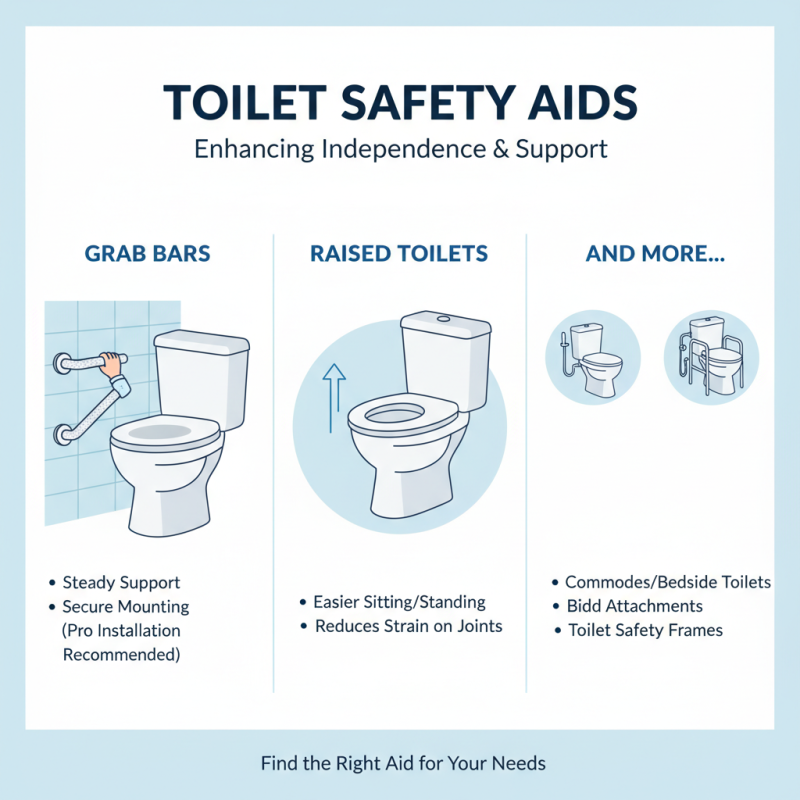
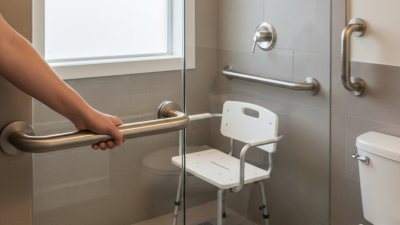
Toilet safety aids, such as grab bars, raised toilet seats, and non-slip mats, can prevent falls. These items often seem simple, but their impact is profound. For example, grab bars provide stable support, reducing the risk of accidents. Many people overlook these aids until it becomes a pressing need.
Selecting the right aids involves understanding individual needs. Each person has unique challenges that may require different solutions. It is important to research and consult experts, ensuring a reliable choice. Some may find that a raised toilet seat offers the needed height, while others might benefit from a complete toilet safety frame. Careful consideration ensures that dignity and independence are maintained in everyday tasks.
Understanding the Importance of Toilet Safety Aids for Seniors and Disabled
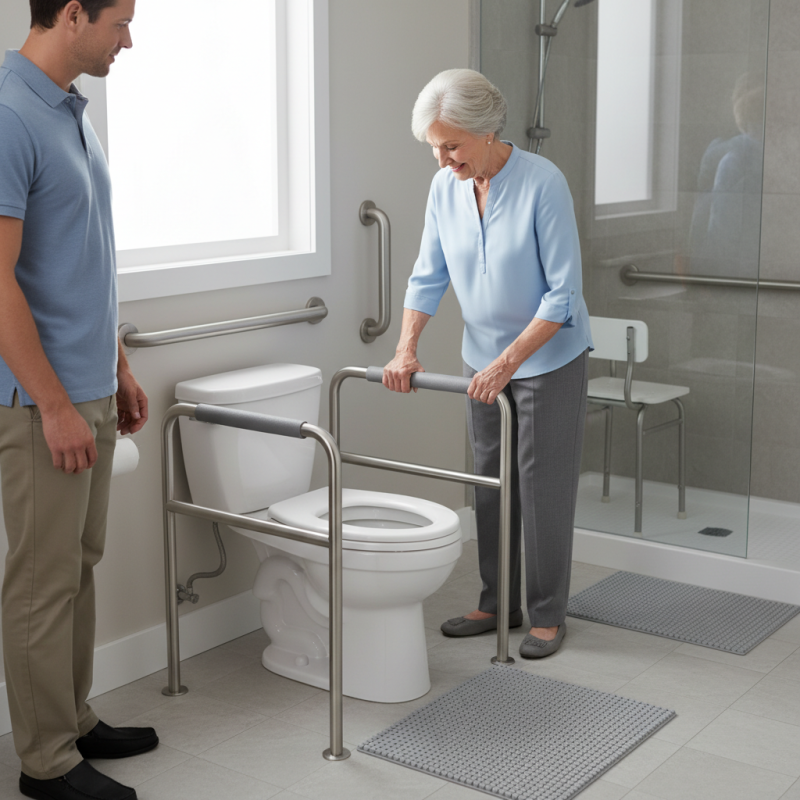
Toilet safety aids play a crucial role for seniors and disabled individuals. These aids ensure safety and enhance independence during one of the most basic daily activities. The bathroom can pose risks such as falls or accidents. This is especially true for those with mobility challenges. Seats with grab bars offer stability. Raised toilet seats can make sitting and standing easier.
Understanding individual needs is important when selecting these aids. Some may require more support than others. Personal preferences and physical limitations vary greatly. Customizing solutions can greatly enhance comfort and security. The process of choosing should involve careful consideration of each person’s unique circumstances.
Many people overlook the significance of toilet safety aids until a problem arises. It’s essential to address these needs proactively. Encouraging open discussions about safety can empower individuals. This can also foster a sense of control over their hygiene practices. Being aware of available options is not just smart; it's essential for enhancing quality of life.
Importance of Toilet Safety Aids for Seniors and Disabled Individuals
Assessing Individual Needs: Mobility, Strength, and Stability Considerations
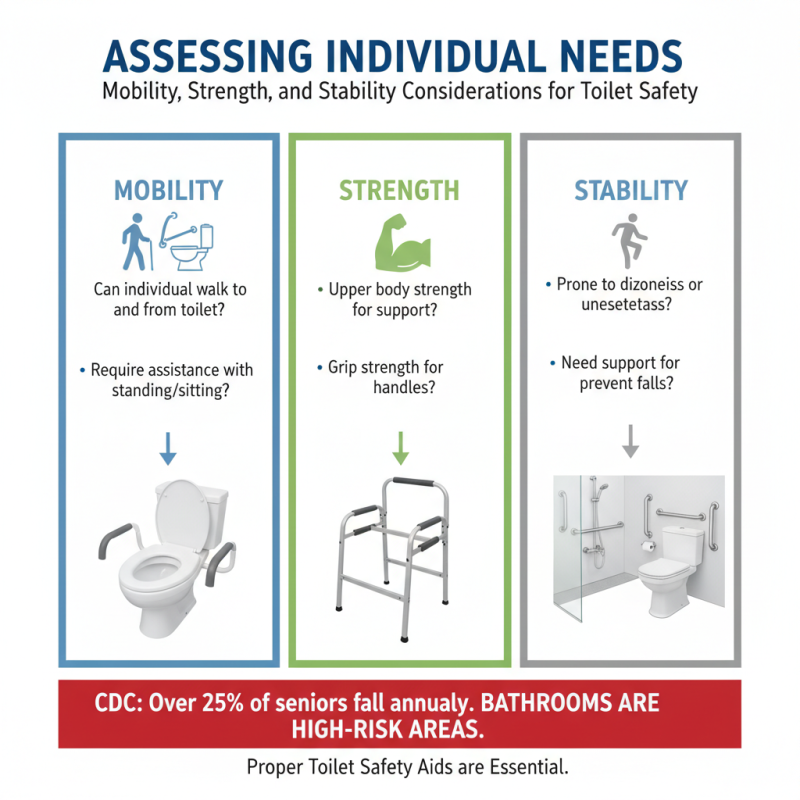
Choosing toilet safety aids requires a thorough understanding of individual needs. Mobility, strength, and stability are pivotal factors. According to the CDC, over 25% of seniors experience falls each year. These incidents often occur in bathrooms, making proper aids essential.
Assess mobility first. If someone struggles to stand or walk, grab bars or raised toilet seats can provide invaluable support. Studies suggest that 90% of users report feeling more secure when these aids are installed. It's crucial to assess the user’s weight and height, as this affects the aid's suitability and effectiveness.
Consider strength next. A person with limited upper body strength might benefit from a toilet seat with armrests. Those with more strength could opt for less robust designs. Stability also plays a key role. A stable, non-slip surface around the toilet ensures safety during transfers.
Tips for selection: ensure materials are durable yet lightweight. Test products before purchasing to confirm comfort and ease of use. Regular reassessment of needs is vital as conditions can change over time. Always consult with health professionals to ensure the highest level of support and safety. Make choices reflecting personal circumstances and preferences.
Key Industry Standards and Guidelines for Toilet Safety Aids
Choosing the right toilet safety aids for seniors and disabled individuals involves understanding key industry standards and guidelines. These ensure safety, accessibility, and ease of use. Various aids, such as raised toilet seats, grab bars, and toilet safety frames, must meet specific safety criteria. Compliance with standards such as those established by the American National Standards Institute (ANSI) is crucial. This certification ensures that products have been rigorously tested.
Tips: Check for weight capacity. Some aids support over 300 pounds while others do not. Make sure the dimensions fit well with the existing toilet. Always seek products that have slip-resistant feet to prevent falls.
When selecting toilet aids, ask questions about the materials used. Non-toxic, durable materials increase reliability. Features like adjustable height can accommodate different user needs. Evaluate if the aids are easy to clean and maintain. Safety should not come at the cost of hygiene.
Tips: Look for designs that minimize hard edges. Smooth surfaces are more forgiving for accidental bumps. Conduct a trial run with potential users to ensure comfort and usability. Also, consider the aesthetic appeal, as this can impact user satisfaction.
Installation and Maintenance Tips for Optimal Safety and Accessibility
Installing toilet safety aids requires careful consideration. A well-placed grab bar can reduce the risk of falls, which account for over 30% of injuries among seniors. Securely mounted bars offer crucial support, and it's important to ensure they withstand significant weight. According to the CDC, more than 800,000 patients a year are hospitalized due to fall injuries.
Maintenance of these aids is equally vital. Regularly check the stability of grab bars and other accessories. Look for signs of wear, such as rust or loose screws, which can pose a safety risk. The World Health Organization emphasizes routine inspections to maintain functionality and prevent accidents. A minor issue can lead to significant consequences if overlooked.
Keep the toilet area well-lit to assist users. Install non-slip mats to enhance safety. Avoid clutter around the toilet to ensure easy access. These simple modifications enhance accessibility while reinforcing a focus on safety. Implementing these tips can make daily routines safer and more manageable for seniors and individuals with disabilities.
How to Choose the Best Toilet Safety Aids for Seniors and Disabled Individuals? - Installation and Maintenance Tips for Optimal Safety and Accessibility
| Safety Aid Type |
Key Features |
Installation Tips |
Maintenance Tips |
| Grab Bars |
Provides stable support; can hold significant weight |
Install at a height of 33-36 inches; use stud finder |
Clean regularly & check for any loose screws |
| Raised Toilet Seats |
Elevates the toilet seat for easier access |
Ensure secure fit over existing seat; check load capacity |
Check for stability periodically; clean with non-abrasive cleaner |
| Toilet Safety Frames |
Offers armrests and support; adjustable height |
Position to align with toilet height; ensure stability |
Inspect joints for wear; disinfect regularly |
| Bidet Attachments |
Enhances hygiene; adjustable water pressure |
Follow manufacturer instructions; ensure water supply is connected |
Clean nozzle periodically; check for leaks |