Why Are Rolling Walkers Equipment Essential for Mobility and Independence?
Rolling walkers equipment plays a vital role in enhancing mobility and independence for many individuals. These devices provide essential support for those facing challenges in moving around safely. With a properly designed walker, users can gain confidence in their ability to navigate various environments, which can dramatically improve their quality of life.
The importance of rolling walkers extends beyond physical support. They symbolize freedom and control. For many, regaining the ability to move about independently can be a significant emotional boost. While these devices are incredibly beneficial, they also require proper usage and adjustment to meet individual needs. It's essential to reflect on personal comfort and style when choosing the right equipment.
When selecting rolling walkers equipment, various factors come into play. The weight, height, and features can greatly influence usability. It is crucial to explore different options and consult experts when necessary. Compromise might be involved in finding the perfect fit. The quest for mobility can lead to an empowering journey of self-discovery and adaptation. Overall, rolling walkers equipment is indispensable for those seeking autonomy and enhanced mobility.
The Importance of Mobility in Daily Life
Mobility plays a crucial role in daily life, especially for older adults. According to the National Institutes of Health, approximately 25% of older adults experience mobility limitations. This can severely impact their independence and quality of life. Staying mobile encourages physical activity, social interaction, and mental well-being. Research demonstrates that active seniors are less prone to cognitive decline and depression.
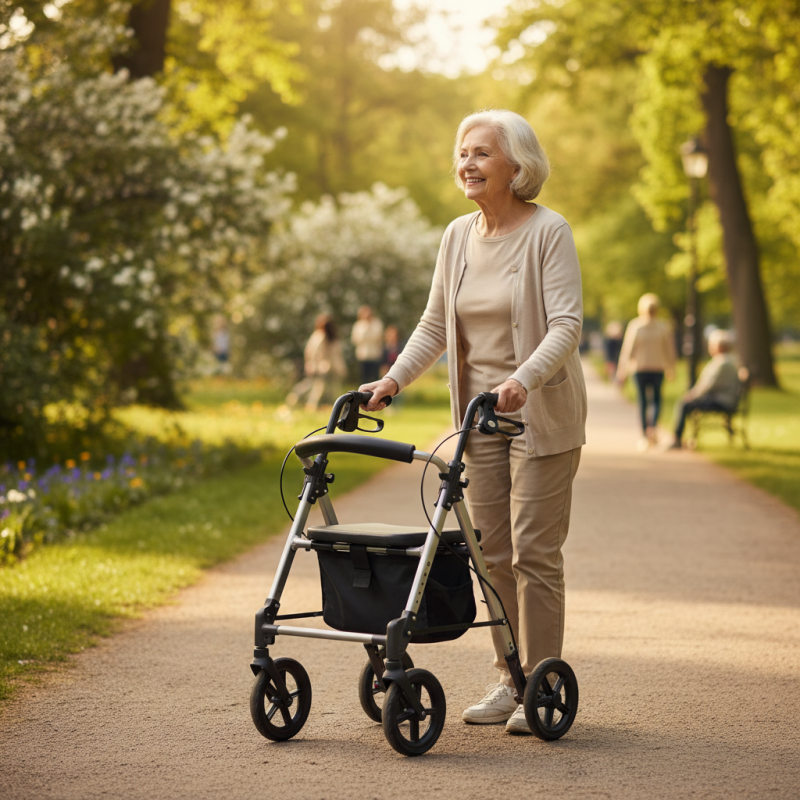
Rolling walkers are vital tools for enhancing mobility. They provide stability and support, reducing the risk of falls. A study from the Centers for Disease Control and Prevention notes that falls are the leading cause of injury among older adults. By using a rolling walker, seniors can enjoy greater confidence and freedom when navigating their environment. This access is essential for maintaining social ties and participating in community activities.
Tips for using a rolling walker effectively include adjusting the height to ensure comfort and leveraging the seat for rests. Regular checks for wheel function can enhance safety. It’s important to practice using the walker in safe spaces. While these devices can empower many, some may struggle with adapting to them. Acknowledging this challenge is key for finding solutions that fit individual needs.
Why Are Rolling Walkers Equipment Essential for Mobility and Independence?
| Feature |
Description |
Benefits |
| Lightweight Design |
Constructed from lightweight materials for easy handling. |
Enhances maneuverability and promotes independence. |
| Adjustable Height |
Height can be adjusted to fit the user's needs. |
Provides comfort and proper posture, reducing strain. |
| Multi-Directional Wheels |
Equipped with wheels for smooth movement in multiple directions. |
Facilitates easier navigation in tight spaces, enhancing mobility. |
| Comfortable Hand Grips |
Ergonomically designed hand grips for a secure hold. |
Increases confidence and safety while walking. |
| Folding Capability |
Easily folds for transport and storage. |
Makes it convenient to carry and use in various locations. |
Understanding Rolling Walkers: Features and Design
Rolling walkers are crucial for many individuals seeking mobility and independence. Their unique design incorporates a sturdy frame, enhanced stability, and comfortable grips. These key features allow users to navigate various environments safely. Many models offer adjustable heights, ensuring a proper fit for different users. This adaptability can help reduce strain on the body and prevent discomfort.
When choosing a rolling walker, consider the wheel size. Larger wheels are ideal for outdoor use, handling uneven surfaces better. Smaller wheels are excellent for indoor use where space is limited. Look for walkers with brake systems. A reliable brake mechanism can enhance safety and provide confidence during use.
Tips: Always test the walker before purchase. Ensure it feels stable and easy to maneuver. Engage with others who use walkers to learn from their experiences. This exchange of information can uncover options you might not have considered. Focus on how you can personalize your walker to meet your needs, allowing for greater ease in daily activities.
Why Are Rolling Walkers Equipment Essential for Mobility and Independence?
This chart illustrates the percentage of users from different age groups who report improved mobility after using rolling walkers. As seen, the effectiveness increases with age, indicating the essential role of rolling walkers in enhancing mobility and independence for older adults.
Benefits of Rolling Walkers for Independence
Rolling walkers are essential tools for enhancing independence and mobility. They provide support for individuals who may struggle with balance or strength. With their four wheels and sturdy frames, rolling walkers make it easier for users to navigate uneven surfaces and crowded spaces. This added mobility allows users to participate more fully in social activities and daily routines.
The benefits of rolling walkers extend beyond just physical support. They encourage confidence and promote a sense of freedom. Many users find that these devices help them regain a level of independence that they feared lost. However, proper use requires practice. Learning how to maneuver the walker effectively can take time and patience. Some might feel hesitant at first, but with experience, they can improve their coordination.
Despite their advantages, not everyone adapts smoothly to using a rolling walker. Some users may face challenges such as discomfort or difficulty transporting the walker when not in use. These issues warrant careful consideration. Seeking guidance from healthcare professionals can help address concerns and ensure that individuals choose the right equipment for their needs. Achieving true independence with a rolling walker is a journey filled with learning and adaptation.
Choosing the Right Rolling Walker for Individual Needs
Choosing the right rolling walker is crucial for maintaining mobility and independence. These walkers come in various styles and features. Picking one that suits your needs can enhance your daily activities. Consider the walker’s weight, wheel size, and handle height for comfort and usability.
Tips: Always test the walker in your environment. Different surfaces can affect stability. Ensure that the brakes work properly. If needed, adjustable handles can provide a better fit.
Reflect on your daily activities. Do you need a basket for carrying items? Some walkers offer extra storage, which can be useful. Others have seats, allowing you to take breaks when walking. Evaluating your lifestyle will simplify the selection process.
Tips: Think about where you plan to use the walker most. Will it be indoors or outdoors? A suitable walker for outdoors may need larger wheels for better navigation. Always prioritize your safety and comfort when making a decision.
Tips for Proper Use and Maintenance of Rolling Walkers
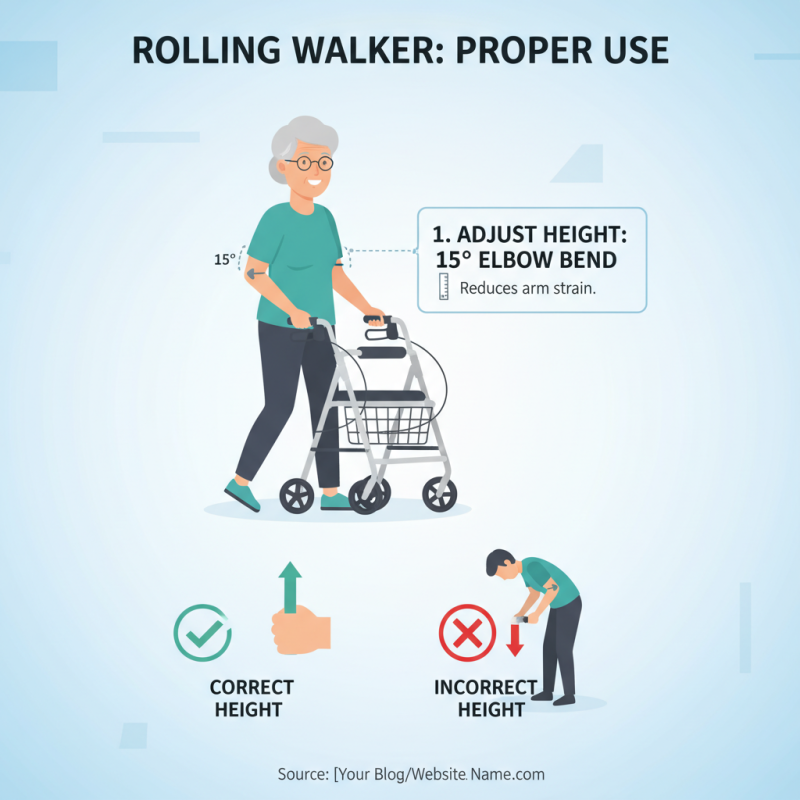
Rolling walkers can greatly enhance mobility and independence. However, using them properly is crucial for safety. First, adjust the walker to the right height. It should allow your elbows to bend at about a 15-degree angle when holding the grips. This positioning helps reduce strain on your arms.
Regular maintenance is key to keeping your rolling walker in top shape. Check the wheels frequently. They should spin easily without any sticking. A little lubrication can help here. Examine the brakes too. They need to engage smoothly. A walker without functioning brakes poses serious risks.
While rolling walkers are helpful, they don’t eliminate the need for caution. Always be aware of your surroundings. Uneven surfaces can lead to falls, even with a well-maintained walker. It's essential to practice using the walker in familiar spaces before venturing out. Stay mindful of potential hazards, and don't hesitate to ask for help when needed.