
Sourcing wound care supplies for global buyers is not simply a search for the lowest price. It is a careful process of matching clinical needs, product quality, supplier capability, and delivery reliability. A hospital may need sterile gauze, foam dressings, hydrocolloids, compression products, or complete wound-care kits. Each item must suit the wound type, care setting, and local distribution conditions.
Dr. David G. Armstrong, a respected wound-care researcher, has said, “The best way to treat a wound is to prevent it.” This principle also shapes responsible purchasing. Buyers should examine material specifications, sterility status, shelf life, packaging strength, lot traceability, and instructions for use. A carton may look acceptable in a warehouse, yet damaged seals or unclear labeling can create serious problems later. Small details matter.
The difficult part is comparing suppliers fairly. Product samples can reveal softness, adhesion, absorbency, and ease of application. Factory audits may clarify production controls, but they cannot show every future shipment. No spreadsheet captures every risk. Buyers should request consistent documentation, realistic lead times, quality records, and responsive after-sales support. They should also consider storage temperature, customs procedures, regional demand, and emergency replenishment needs.
Some assumptions will be wrong. That deserves attention. A cheaper dressing may increase waste or require more frequent changes. A premium supplier may still struggle with communication or capacity. Reliable sourcing requires evidence, clinical input, and periodic review. For global buyers, the strongest partnership is not merely fast or inexpensive. It is transparent, adaptable, and focused on safe patient care.
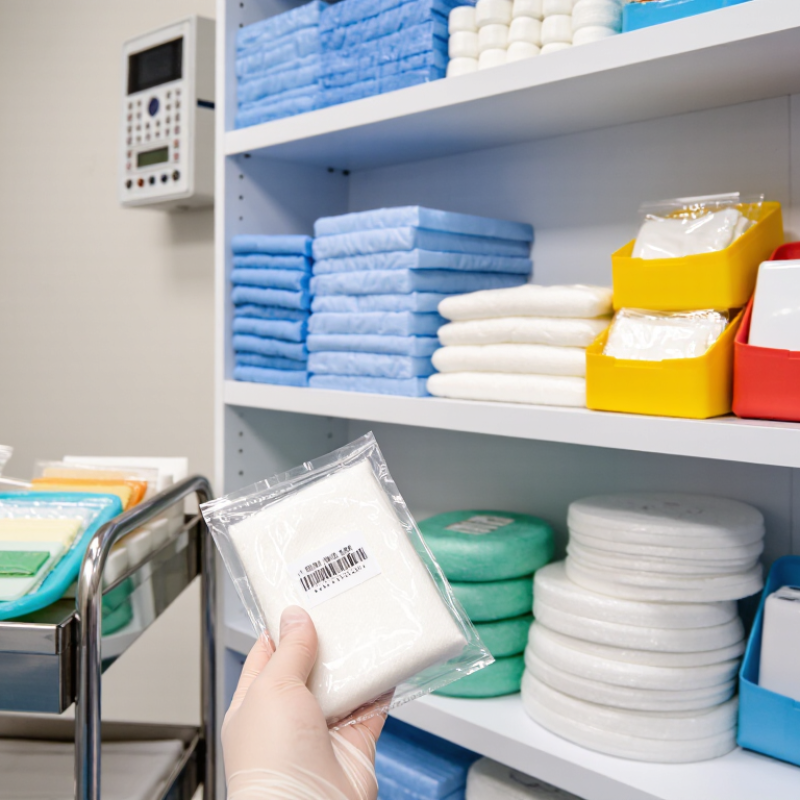
Global wound-care sourcing should begin with the patient profile, not a product catalogue. The International Diabetes Federation estimates that 537 million adults lived with diabetes in 2021, and this number may reach 783 million by 2045. Many buyers will therefore encounter diabetic foot wounds, pressure injuries, surgical wounds, and venous ulcers. Each condition demands different performance. Define wound depth, tissue type, exudate level, infection risk, dressing-change frequency, and expected healing environment.
Translate those clinical needs into measurable specifications. State the required dressing size, absorbency, moisture retention, conformability, adhesion, and removal comfort. For advanced products, request test methods and results, not vague claims such as “high performance.” The International Wound Infection Institute emphasizes consistent assessment of infection signs, so buyers should clarify whether the product supports observation or requires a secondary dressing. Specify sterility status, biocompatibility evidence, latex content, packaging integrity, and shelf life. ISO 10993 biological-evaluation data can support material-safety reviews, while ISO 11607 requirements help assess sterile packaging systems.
Procurement teams should also define transport and use conditions. A dressing stored in a humid warehouse may perform differently from one tested in a controlled laboratory. That gap matters. Ask for carton dimensions, temperature limits, batch traceability, and replacement procedures. The IDF’s 2021 Atlas also reports that 541 million adults had impaired glucose tolerance, showing why future demand is difficult to predict. Forecasts should include several wound profiles and realistic clinical consumption rates. Some assumptions will be wrong. Review them after hospital feedback, complaints, and returned samples.
The projected global diabetes population is a practical demand-planning indicator because diabetes increases the need for diabetic foot care, infection prevention, absorbent dressings, and protective secondary dressings.
When defining buyer requirements, specify wound indication, dressing size, absorbency level, conformability, sterile or non-sterile status, intended shelf life, packaging integrity, traceability, and applicable regulatory documentation. Product specifications should be verified through technical files, biocompatibility evidence, sterilization validation where applicable, and performance testing.
Data source: International Diabetes Federation, IDF Diabetes Atlas, 10th edition and 2021 estimates.
Global buyers should evaluate wound care suppliers through evidence, not attractive catalogs. Request product specifications, material declarations, sterilization records, and lot traceability documents. A qualified manufacturer should explain its quality system, inspection methods, and complaint-handling process clearly. Certifications such as ISO 13485 can support evaluation, but certificates require verification and current scope review.
Ask for evidence.
Manufacturing regions often provide different strengths. China offers broad capacity for dressings, tapes, and packaging formats. India has strong experience in cotton-based and absorbent medical products. Malaysia supports rubber-related and cleanroom manufacturing. European facilities may provide mature documentation and tighter regional regulatory alignment. These are general patterns, not guarantees. Visit the site when order volume justifies travel, or use an independent audit with production-floor photographs, worker interviews, and sample checks.
A practical assessment should compare lead times, minimum order quantities, quality consistency, and export experience. Test samples under realistic conditions, including moisture exposure, adhesive removal, and package handling. Samples reveal flaws. Review whether the supplier can maintain the same material grade across repeated lots. Confirm lawful product registration and import requirements in each target market before contracting.
No checklist is perfect. I have seen technically strong factories lose reliability through weak communication or rushed packaging changes. Keep approved samples, written specifications, and change-notification rules in the purchasing file. A small pilot order can expose delays before they affect hospitals or distributors.
Global wound-care buyers should verify more than catalog photographs and attractive prices.
The World Health Organization reports that one in ten patients experiences harm in healthcare, with more than half considered preventable in its Patient Safety Fact File (2023).
Quality failures in dressings, gauze, or compression products can therefore create clinical and financial consequences. Ask for lot numbers, expiry dates, storage limits, and samples from current production.
A supplier should provide an ISO 13485-based quality system, applicable product registrations, declarations of conformity, and controlled technical files.
Check sterilization validation, biocompatibility evidence, absorbency results, adhesive performance, and packaging integrity.
The International Organization for Standardization identifies ISO 13485:2016 as a framework for consistent medical-device quality management. Still, a certificate is not proof of every shipment. Request recent audit findings and corrective-action records.
Supplier credentials need practical testing.
Confirm the legal manufacturing address, inspection history, insurance coverage, complaint procedure, and recall process.
Trace one sample carton back to its raw materials and production date. That exercise often reveals gaps.
Procurement teams should also compare certificates with the exact product model, not merely the supplier’s general portfolio.
I would keep a written verification trail, although even a careful checklist can miss changing regulations or silent formulation changes.
Independent laboratory testing remains sensible for high-risk or sterile products.
How to Source Wound Care Supplies for Global Buyers?
For global buyers, a supplier quote is only a starting point. Compare the same specification, material, size, packaging, and sterile status. A lower price may hide thinner packaging or shorter shelf life. Request a written price ladder for samples, cartons, and full pallets. Confirm whether prices include labeling, export documents, or inspection charges. Small details matter.
Minimum order quantities deserve practical testing. A factory may require 500 boxes, while your first market needs only 80. Ask whether mixed sizes can share one order or whether a trial batch is available. In sourcing reviews, I have seen buyers accept a low unit price, then lose cash through excess inventory. Storage space, expiry dates, and demand uncertainty should shape the order. Keep room for correction.
Shipping terms can change the real cost dramatically. Compare EXW, FOB, CIF, and other agreed Incoterms using the same destination assumptions. Calculate freight, insurance, duties, customs brokerage, port handling, and inland delivery. Confirm carton dimensions and gross weight. A small error can alter freight estimates. Check production lead time, shipping schedules, document timing, and quote validity. Ask who handles export clearance and who bears transit risk. Do not rely on verbal promises. Request commercial invoices, packing lists, certificates, and product specifications before payment. Some comparisons remain imperfect because freight rates move weekly. Recheck them before ordering.
| Product Category | Common Specification | Indicative Wholesale Price | Typical MOQ | Typical Production Lead Time | Common Export Packaging | Common Shipping Terms | Best Transport Mode | Key Compliance Documents to Request |
|---|---|---|---|---|---|---|---|---|
| Sterile Gauze Swabs | Cotton, 8-ply, 10 cm × 10 cm, individually packed | US$0.025–0.080 per piece | 10,000–50,000 pieces | 20–35 days | 100 pieces per inner box; 10–20 inner boxes per carton | EXW or FOB for standard orders; CIF for larger sea shipments | Air freight for urgent replenishment; sea freight for volume orders | Sterilization certificate, certificate of analysis, material specification, ISO 13485 evidence where applicable |
| Non-Woven Absorbent Pads | Sterile, low-lint, 10 cm × 20 cm, individually wrapped | US$0.06–0.18 per piece | 10,000–30,000 pieces | 25–40 days | 50–100 pieces per box; moisture-resistant master cartons | FOB or FCA; DAP may be available for smaller repeat orders | Air courier for samples; consolidated sea freight for commercial quantities | Material composition, absorbency test, sterility record, packaging validation documents |
| Transparent Film Dressings | Polyurethane film with acrylic adhesive, 6 cm × 7 cm or similar | US$0.12–0.45 per piece | 5,000–20,000 pieces | 30–45 days | 25–50 individually packed dressings per carton | FOB or CIF; DAP subject to destination-country import arrangements | Air freight for moderate quantities; sea freight for full-carton shipments | Adhesion and peel testing, biocompatibility information, sterility certificate, shelf-life data |
| Hydrocolloid Dressings | Absorbent hydrocolloid layer with waterproof backing, various sizes | US$0.35–1.20 per piece | 3,000–10,000 pieces | 35–55 days | 10–20 sterile units per retail box; sealed export cartons | FOB or FCA for initial orders; CIF for regular sea freight | Air freight for high-value, low-volume orders; sea freight for planned inventory | Absorption performance data, biocompatibility testing, sterility validation, stability study |
| Foam Dressings | Polyurethane foam, bordered or non-bordered, 10 cm × 10 cm | US$0.60–2.00 per piece | 2,000–8,000 pieces | 35–60 days | 5–10 sterile units per box; compression-resistant cartons | FOB, CIF, or DAP depending on destination and order size | Sea freight for routine stock; air freight when replenishment is time-sensitive | Fluid-handling test, vapor transmission data, biocompatibility report, sterility and shelf-life records |
| Alginate Dressings | Calcium alginate or calcium-sodium alginate, sterile sheet or rope | US$0.45–1.80 per piece | 3,000–10,000 pieces | 35–55 days | 10–20 individually wrapped units per box | FOB or CIF; FCA may be used when the buyer appoints the forwarder | Sea freight for planned orders; air freight for smaller urgent consignments | Alginate composition, absorbency and gel-strength test, sterility certificate, biocompatibility data |
| Hydrofiber or Superabsorbent Dressings | Cellulose-derived or superabsorbent fiber, sterile, multiple sizes | US$1.20–4.50 per piece | 1,000–5,000 pieces | 40–65 days | Individually sealed units in cartons with humidity protection | FOB or CIF; DAP may simplify delivery where the seller has local logistics capability | Air freight for high-value products; sea freight for forecast-based purchasing | Absorption capacity, retention testing, biocompatibility, sterility validation, shelf-life evidence |
| Medical Adhesive Tapes | Non-woven, paper, silk-like or polyethylene backing; 2.5 cm × 9 m roll | US$0.20–0.90 per roll | 5,000–20,000 rolls | 25–45 days | 12–24 rolls per box; shrink-wrapped export cartons | EXW, FOB, or FCA; CIF for regular container shipments | Air freight for samples and urgent cartons; sea freight for large quantities | Adhesion test, skin-sensitivity information, backing and adhesive specifications, shelf-life data |
| Sterile Wound Closure Strips | Porous non-woven strip with pressure-sensitive adhesive, sterile pack | US$0.05–0.25 per strip | 10,000–50,000 strips | 25–45 days | 5–10 strips per sterile pouch; 50–100 pouches per box | FOB or FCA; DAP for small, repeat replenishment orders | Air freight is generally practical because of low weight and compact volume | Adhesion test, sterilization record, packaging integrity test, biocompatibility information |
| Benchmark note: Prices are indicative wholesale ranges in U.S. dollars for standard, non-branded products and may vary by material grade, dimensions, sterilization method, packaging, regulatory classification, order volume, payment terms, and destination. Freight, customs duties, taxes, insurance, testing, and import registration are normally excluded unless specifically stated in the quotation. Buyers should request a landed-cost quotation and confirm the applicable Incoterms® 2020 rule before placing an order. | ||||||||
Global buyers should treat wound care sourcing as an operational process, not a simple product purchase. Begin with a clear order sheet listing dressing sizes, absorbency, packaging units, sterile status, and required delivery dates. Ask suppliers for batch records, product specifications, shelf-life details, and quality certificates before confirming quantities. Small details matter. A missing carton dimension can disrupt warehouse planning.
Customs clearance requires accurate documents and consistent product descriptions. Commercial invoices, packing lists, certificates of origin, and transport details should match exactly. Confirm tariff classifications with a qualified customs professional in the destination country. Requirements can differ by product type and market. Do not rely on old templates. Regulations and document rules may change, and one overlooked field can delay a shipment for days.
Supplier relations also need structure. Set response times, inspection procedures, replacement terms, and communication channels in writing. Share realistic forecasts, but avoid promising volumes that are not secured. During production, request photos of outer cartons, labels, and pallet markings. I have found that early visual checks often reveal packing errors before dispatch. Still, they are not a substitute for independent quality inspection. Keep records of complaints, corrective actions, and delivery performance. Be transparent when forecasts change. Trust grows slowly. A supplier may perform well for months, then struggle during peak demand, so regular reviews remain necessary.