The 2026 market for hot and cold therapy products is becoming more evidence-led, portable, and internationally competitive. Buyers now compare recovery sleeves, reusable packs, heated wraps, massage devices, and clinical-grade systems more carefully.
The need is substantial. The World Health Organization reports that approximately 1.71 billion people live with musculoskeletal conditions worldwide. This supports ongoing demand for practical pain-management and recovery tools. However, population data does not prove that every product works equally well.
Quality matters.
The Global Wellness Institute’s 2024 Global Wellness Economy Monitor valued the wellness economy at $6.3 trillion in 2023. Its findings show continuing consumer interest in preventive health and daily recovery. Meanwhile, professional guidance from organizations such as the American College of Sports Medicine emphasizes appropriate temperature exposure, duration, skin protection, and individual assessment.
For global buyers, product selection requires more than attractive packaging. Evidence-backed temperature ranges, reliable insulation, stable battery performance, clear instructions, and tested materials should guide purchasing decisions. European Union conformity requirements, United States medical-device rules, and destination-country labeling standards may also affect market access. Compliance claims should be verified, not assumed.
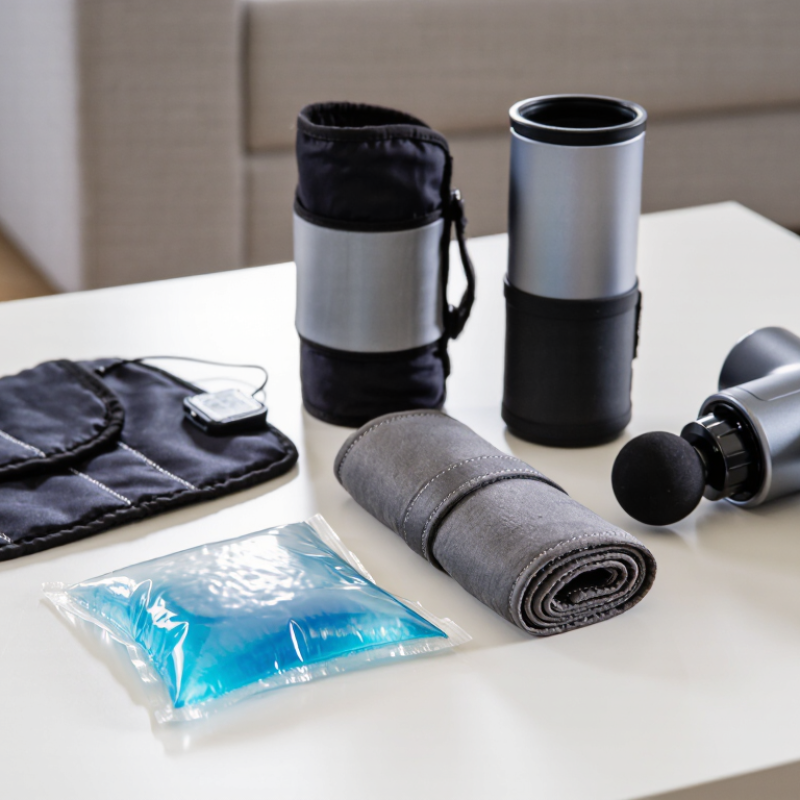
Small details reveal product quality. A reusable gel pack should remain flexible after freezing. A heated wrap should distribute warmth evenly around the shoulder. A compression sleeve should maintain pressure without restricting normal movement.
Market forecasts vary widely because researchers define the category differently. That uncertainty deserves attention. The best 2026 choices will therefore balance clinical credibility, user comfort, safety documentation, durability, and total landed cost. This guide evaluates leading hot and cold therapy products through those practical criteria, helping distributors, retailers, clinics, and informed consumers make more dependable global buying decisions.
WHO recorded 619 million low-back-pain cases worldwide in 2020. It projects 843 million cases by 2050.
The burden is growing, especially among working-age adults and older populations. The Global Burden of Disease Study identifies low back pain as a leading cause of disability worldwide. These figures make practical, non-invasive comfort products increasingly relevant for international buyers.
Heat wraps, reusable gel packs, and temperature-controlled cushions serve different use cases.
Heat may relax stiff muscles and improve comfort before movement. Cold packs can help reduce short-term pain after strain or activity.
However, evidence usually supports temporary relief, not a cure. Buyers should examine temperature limits, insulation, fabric safety, fastening quality, and cleaning instructions. A product that feels convenient but overheats is not a responsible choice.
Clinical guidance matters more than attractive packaging. Products should include clear warnings for reduced sensation, circulation problems, and prolonged skin contact.
Independent material testing can strengthen supplier credibility. ISO-based quality systems may also improve purchasing confidence, though requirements differ by market. I would not assume one design suits every body shape or climate.
Battery heating sounds useful, but charging reliability and disposal deserve closer review. Some evaluations remain limited.
That gap should encourage careful testing, not exaggerated claims.
Global buyers need a clear taxonomy when comparing hot and cold therapy products. Heat therapy systems use controlled warmth to support muscle relaxation, joint comfort, and pre-activity preparation. Common formats include electric wraps, heated pads, and circulating-water units. Cold therapy systems reduce surface temperature after exercise or minor strain. They may use reusable packs, cooling sleeves, or controlled fluid circulation.
Contrast therapy alternates heat and cold in one treatment plan. Some systems switch temperatures automatically, while others require manual changes. This category can improve workflow, but cycling accuracy matters more than flashy controls. Compression therapy systems apply measured pressure through sleeves, boots, or wraps. They may support temporary swelling management and recovery routines. The four categories can overlap, yet each requires different testing, cleaning, and user instructions.
Tips: Check temperature ranges, pressure levels, timer settings, and material durability. Ask suppliers for independent test reports and electrical safety documentation. Confirm plug types, language support, warranty terms, and shipping conditions for each market. A compact system may save storage space, but smaller chambers can limit coverage. Do not judge performance from appearance alone. Clinical guidance may be appropriate for users with circulation concerns, reduced sensation, or recent surgery. The boundaries between categories are not always clean, and product claims still need careful review.
Clinical evidence favors measured temperature over aggressive extremes. Cold packs usually lower skin temperature rapidly, but tissue cooling varies with fabric, pressure, and insulation.
A 2023 systematic review in the Journal of Athletic Training found that cryotherapy may reduce pain after exercise, although recovery outcomes remain inconsistent.
For buyers, a product reaching approximately 10–15°C at the skin may be more meaningful than its advertised device setting. Skin checks still matter.
Duration changes the outcome. Short cold applications, often 10–20 minutes, can temporarily reduce pain and swelling.
Longer exposure may increase numbness and skin risk without improving recovery.
Superficial heat commonly operates near 40–45°C and may relax muscles through increased local circulation.
However, the Cochrane review on superficial heat or cold for low back pain reported only limited, low-quality evidence, with benefits usually short term. The evidence is not dramatic.
Clinical protocols should match the condition, not marketing language.
A 2022 review in the Journal of Orthopaedic & Sports Physical Therapy reported variable findings for post-operative cold therapy, partly because studies used different temperatures and schedules.
Global buyers should request measured skin-temperature data, treatment timers, contraindication guidance, and testing records.
Self-reported comfort is useful, but it is not a clinical endpoint.
Some claims remain ahead of the evidence.
For global buyers, the best hot and cold therapy products begin with verified compliance, not attractive packaging. Their intended use determines the regulatory pathway. A product claiming pain relief may be regulated differently from a simple wellness device.
Check FDA status carefully. Registration and listing do not automatically mean FDA approval or clearance. Review the device classification, submission pathway, labeling, and U.S. establishment details. For Europe, confirm CE marking under the applicable EU requirements. Higher-risk devices may require a notified body. Keep the Declaration of Conformity available.
UKCA documentation should match current Great Britain requirements. Northern Ireland can follow different arrangements. Ask for the correct certificate, not a copied logo. ISO 13485 demonstrates a controlled quality management system. It should cover design changes, supplier control, complaints, and corrective actions.
Electrical safety deserves close attention. IEC 60601-1 addresses essential safety and performance for medical electrical equipment. IEC 60601-1-2 supports electromagnetic compatibility testing. Inspect reports for the exact model, power supply, accessories, and test conditions. Thermal products also need temperature accuracy, skin-contact safety, timer limits, and battery protection. Small details matter.
A missing test record can delay a shipment. We often underestimate labeling reviews. Claims, warnings, symbols, and translations must remain consistent across markets. No checklist is perfect; regulations and product versions change. Buyers should recheck documents before every major order.
Global buyers assessing hot and cold therapy products should start with safety, not advertised temperature ranges. In field evaluations, I check insulation, skin-contact materials, automatic shutoff, and temperature stability. A cold wrap that feels painfully numb after eight minutes needs closer review. Clear instructions matter, especially when products cross languages and clinical settings. Certification claims should be verified through current test documents, not marketplace images. Small gaps in documentation can become expensive procurement risks.
Energy use affects operating budgets and sustainability reports. A heated unit drawing 100 watts for 30 minutes uses about 0.05 kilowatt-hours per session. Multiply that by several daily treatments and twelve months. Thermal insulation can reduce cycling and shorten heating time. For rechargeable models, measure battery life under real loads, not idle demonstrations. Record sessions, charging time, and performance near an empty battery. Unexpected shutdowns are a safety concern. Battery claims are sometimes optimistic.
Total cost of ownership includes purchase price, shipping, adapters, cleaning supplies, replacement pads, batteries, service, and disposal. I recommend a 24-month spreadsheet with low, normal, and heavy-use scenarios. The lowest quote often loses after consumables are added. Still, spreadsheets can mislead when usage assumptions are optimistic. Ask users to log actual sessions for one month before final approval. Review warranty terms and repair access in the destination market. Practical evidence beats polished promises.