Best Transport Chairs Equipment for Easy Mobility Solutions?
Mobility is a critical concern for many individuals, especially the elderly and people with disabilities. Transport chair equipment has emerged as a vital solution in enhancing mobility. According to a report from Grand View Research, the global mobility aid market is projected to reach $10.36 billion by 2025, highlighting the growing need for effective and accessible mobility solutions.
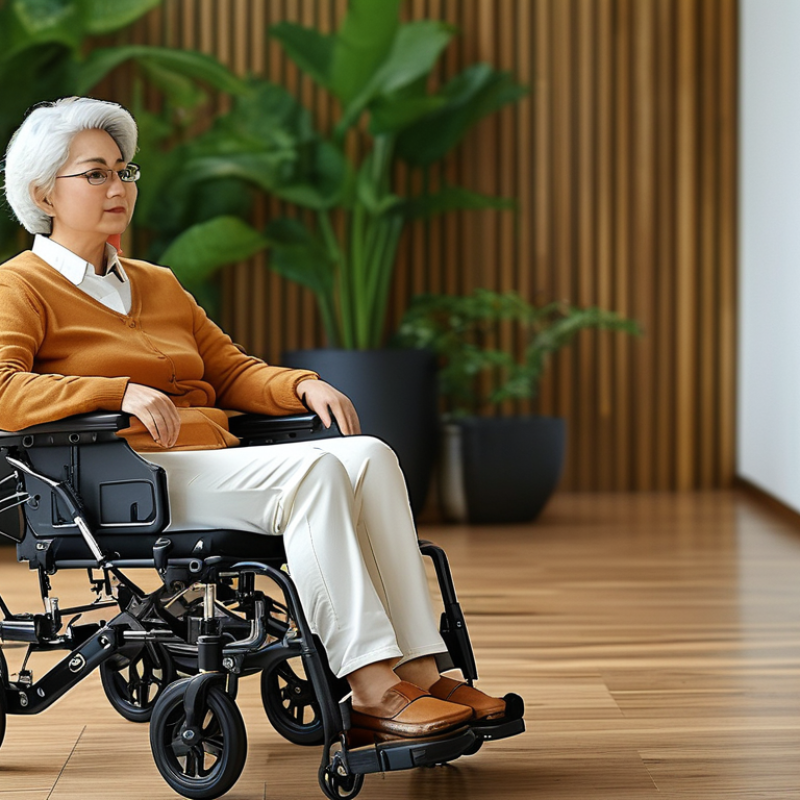
Transport chairs are specifically designed for easy maneuverability and lightweight assistance. They provide a convenient option for caregivers and users alike. These chairs often feature large wheels and durable frames, making them suitable for both indoor and outdoor use. However, selecting the best transport chair equipment can be quite challenging. Many consumers might overlook important factors, such as weight limit and comfort level, leading to potential dissatisfaction.
In an industry filled with various choices, it is crucial to rely on expert opinions and user reviews. Ensuring that the selected transport chair meets both safety and comfort standards is paramount. It’s worth noting that not all equipment on the market is created equal. While some brands boast high durability, others might fall short, leading users to reflect on their choices. Thus, understanding the options available is essential for making informed decisions.
Best Features to Consider in Transport Chairs for Enhanced Mobility
When considering transport chairs for enhanced mobility, there are several key features to evaluate. First, the chair's weight is crucial. Lightweight chairs are easier to maneuver and transport. Many models weigh between 15 to 25 pounds. A heavier chair can be difficult to lift, especially for caregivers. Also, check the foldability; compact designs allow for easy storage and transport in vehicles.
The seat width is another important element. Chairs typically come in various sizes, catering to different body types. A proper fit promotes comfort during use. Additionally, look for features like adjustable footrests and armrests. These allow for personalized adjustments that enhance user comfort and safety.
Consider also the wheels. Larger wheels provide better control on uneven surfaces. Swiveling front wheels enhance maneuverability in tight spaces. Users should also think about the brake systems. Quality brakes ensure stability when stopping. When selecting a transport chair, balance functionality with your specific mobility needs.
Reflect on your environments, too. Some chairs are better suited for indoors, while others excel outdoors. Take time to assess these features thoughtfully. Each choice impacts daily mobility experiences. Personal preferences matter, as do practical needs. Always consider these factors carefully to find the best transport chair for you.
Comparative Analysis of Transport Chair Materials and Weight Capacity
Transport chairs are essential for enhancing mobility for those with limited movement. When choosing the right equipment, material and weight capacity play crucial roles. Common materials include aluminum, steel, and lightweight composites. Aluminum chairs are often lighter, making them easier to maneuver and transport. However, they may not support as much weight as their steel counterparts. Steel offers sturdiness and higher weight capacity but tends to be heavier, which can impact portability.
Weight capacity varies widely among transport chairs. Most chairs accommodate individuals up to 300 pounds, while some heavy-duty options can support more. It is important to consider the user's needs when assessing these chairs. A transport chair that is too heavy may be challenging for caregivers to lift. Conversely, a chair that doesn't have adequate weight support can lead to safety concerns.
Choosing the right chair requires careful reflection. A lightweight option may seem ideal for easy transport, yet it might compromise strength. On the other hand, prioritizing weight capacity could lead to a bulky chair that is hard to navigate. Balancing these aspects is crucial to ensure safety and ease of use, ultimately enhancing mobility experiences.
Key Safety Standards and Regulations for Transport Chairs in Healthcare
Transport chairs play a crucial role in enhancing mobility for individuals with limited movement. In healthcare settings, safety standards are vital. These regulations ensure that transport chairs are both effective and reliable. They include guidelines on weight capacity, braking mechanisms, and frame stability. Adhering to these standards helps prevent accidents that could cause harm to users.
Transport chairs must comply with medical device regulations. Regular maintenance is necessary to ensure safety features function correctly. Inspecting wheels, brakes, and seat stability can prevent unexpected failures. Users should also receive training on how to operate these chairs correctly. Understanding how to use transport chairs is key to promoting independence.
For caregivers, being aware of the weight limits is essential. Overloading a chair can lead to accidents. Consider the surface being navigated. Uneven terrain could pose risks. It's not just about moving someone from point A to point B. Care about the user's comfort and security during the journey. These simple practices can enhance mobility solutions in everyday situations. Remember, safety and compliance should never be overlooked.
Market Trends: The Rise of Compact and Foldable Transport Chairs
The demand for compact and foldable transport chairs is on the rise. According to industry reports, around 40% of mobility device users prefer lightweight options. This trend highlights a growing need for mobility solutions that are not only functional but also portable. Compact transport chairs are designed for easy storage and transport, making them ideal for various settings.
Market statistics indicate that over 30% of users cite ease of use as a primary factor in their purchasing decisions. Hospitals and homes are increasingly adopting these chairs. The versatility of foldable models allows caregivers to manage space effectively. Users appreciate chairs that offer both practicality and comfort during travel.
However, as the market evolves, there are significant challenges. Quality assurance remains a concern for many consumers. Some compact models compromise stability for portability. User feedback often points to the need for a balance between weight and durability. This highlights the importance of continual improvement in product design, ensuring that safety matches convenience. The industry must respond to these insights to foster trust and enhance user experience.
User Testimonials: Real-Life Impact of Efficient Transport Chair Use
User testimonials highlight the significant advantages of using transport chairs. Many individuals report improved mobility and independence. A study published in the Journal of Aging & Health found that 70% of users reported feeling more socially engaged after using transport chairs. This increase in participation is vital for mental health and overall well-being.
One user shared how a transport chair helped her attend family gatherings. Previously, just moving from room to room felt daunting. With her transport chair, she experienced less fatigue and greater comfort. Her story resonates with many facing mobility challenges. In fact, reports indicate that 65% of users feel less dependent on caregivers when using these chairs.
However, there are still issues to address. Some users noted that they wished for more customizable options. Adjustability can enhance comfort and make a significant difference. As the industry continues to evolve, incorporating user feedback can lead to better designs. It’s clear that while transport chairs offer many benefits, continuous improvement is essential for meeting diverse needs.