What Are Orthopedic Support Products Used For?
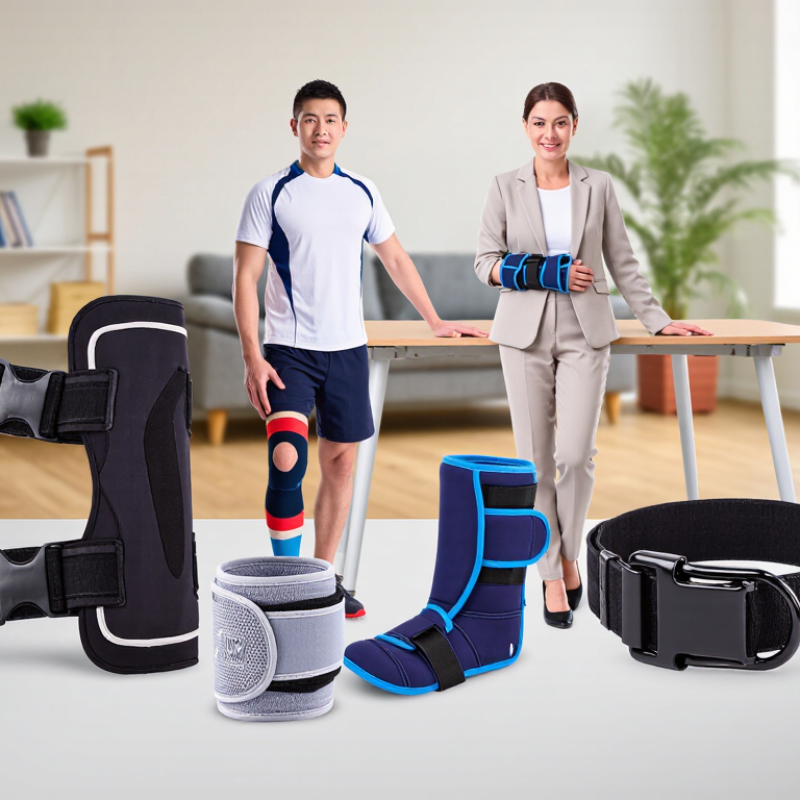
Orthopedic support products are designed to help protect, stabilize, or guide parts of the body during movement and recovery. They include knee braces, wrist splints, ankle supports, back belts, and compression sleeves. A runner may use an ankle brace after repeated sprains. An office worker may wear a wrist splint while resting an irritated joint. These products can reduce unwanted movement and improve comfort, but they do not repair every injury.
Their value depends on the condition, the product’s design, and the user’s daily activities. A properly fitted knee brace may support a recovering ligament during walking. A wrist splint may keep the joint in a neutral position while sleeping. However, excessive pressure can cause numbness, skin irritation, or restricted circulation. Fit matters greatly. So does timing.
Healthcare professionals often assess pain, swelling, strength, mobility, and medical history before recommending support. They may also suggest exercises, physical therapy, or temporary activity changes. Reliable guidance should come from licensed clinicians, reputable manufacturers, and clear product instructions. Clinical evidence supports some uses, while other claims remain less certain. That distinction deserves attention.
No single support works for everyone. An uncomfortable brace may discourage movement and slow progress. Users should check their skin, circulation, and comfort regularly. They should seek professional advice when pain worsens, weakness appears, or symptoms persist. This guide explains what orthopedic support products are used for, how they function, and where their limits become important. Their purpose is assistance, not a substitute for proper diagnosis or individualized care.
Types of Orthopedic Support Products
Orthopedic support products are designed to steady joints, reduce strain, and support movement during recovery or daily activity. Their importance is considerable: the World Health Organization reports that musculoskeletal conditions affect about 1.71 billion people worldwide (WHO, 2022). Yet support is not a cure. It works best alongside clinical assessment, appropriate exercise, and realistic activity changes.
Common types include knee braces, ankle supports, wrist splints, and elbow sleeves.
Knee braces may limit harmful movement after injury or provide stability during walking. Ankle supports can reduce unwanted rolling, especially on uneven ground. Wrist splints often keep the joint neutral during rest or repetitive work. Spinal orthoses support posture, but they should not replace strengthening programs. Compression garments apply measured pressure and may help manage swelling in the limbs. Custom orthoses can also redistribute pressure beneath the foot.
Fit matters more than appearance. A brace that slips, pinches, or causes numbness needs review. It may be the wrong size, design, or level of support. The Global Burden of Disease Study 2021 estimated that low back pain affected 619 million people in 2020, with cases projected to reach 843 million by 2050 (The Lancet Rheumatology, 2023). That trend increases demand for practical support products, but evidence differs among conditions. No support fits everyone. A trained clinician should assess pain, circulation, skin condition, and movement before prolonged use. Even experienced users sometimes tighten products too much.
How Orthopedic Supports Assist the Body
What Are Orthopedic Support Products Used For?
Orthopedic supports assist the body by adding stability, gentle compression, or controlled movement. They may include braces, sleeves, splints, posture supports, and supportive footwear. A knee brace can limit painful side-to-side motion. A wrist splint can keep the joint neutral during sleep or repetitive work. These products do not rebuild damaged tissue. They simply change how pressure and movement reach the body.
The World Health Organization reports that lower back pain affected about 619 million people worldwide in 2020. It could reach 843 million cases by 2050. This burden explains why people seek practical support during work, exercise, or recovery. A correctly fitted support may reduce strain and improve confidence while walking. It should not replace assessment, strength training, or medical treatment. Fit matters greatly. Too loose, and it may slip. Too tight, and numbness, swelling, or skin irritation can appear.
The evidence is not perfect. Clinical reviews often find mixed results for long-term pain relief from braces and belts. That is worth remembering. A support may help one person and frustrate another. Professional guidance is especially important after injury, surgery, or persistent swelling. The user should check skin color, sensation, and comfort regularly. The WHO also recommends staying active when appropriate, because prolonged dependence can reduce natural muscle engagement. Support the movement. Do not fear it. Source: World Health Organization, Low Back Pain Fact Sheet, 2023; Global Burden of Disease Study 2021.
Common Conditions Treated with Orthopedic Supports
Orthopedic supports help manage pain, instability, swelling, and restricted movement.
Common examples include braces, splints, compression sleeves, and supportive belts.
They may assist people with arthritis, sprains, tendon irritation, and lower-back pain. The World Health Organization reported that 619 million people lived with low-back pain in 2020. It projects this number could reach 843 million by 2050. Supports cannot correct every cause. They can reduce strain during walking, lifting, or recovery.
Knee supports may improve confidence for people with osteoarthritis, especially during stairs or longer walks. The CDC estimates that 32.5 million American adults have osteoarthritis. An ankle brace can limit excessive rolling after a sprain. A wrist splint may rest irritated tendons during sleep or repetitive work.
Fit matters greatly. A loose brace may slide, while a tight one can cause numbness, coldness, or skin irritation. Comfort alone does not prove effectiveness.
Tips:
Choose support based on the affected joint and activity. Follow professional fitting advice when possible. Check your skin after wearing it. Stop if pain, swelling, or numbness increases. Use supports alongside suitable exercise, not as a permanent substitute for movement. Evidence is not equally strong for every product. That deserves honest reflection. Persistent pain, weakness, or deformity needs assessment from a qualified healthcare professional.
(Sources: WHO, Low Back Pain Fact Sheet, 2023; CDC, Osteoarthritis Basics, 2024.)
Choosing the Right Orthopedic Support Product
Choosing the right orthopedic support product begins with the body part that needs help.
A wrist brace, knee sleeve, ankle support, or back belt serves a different purpose. Identify the discomfort, recent injury, swelling, and movements that make symptoms worse. A product should support movement, not replace a medical evaluation.
Fit matters more than appearance.
Measure the area as instructed, then compare the measurement with the product’s sizing guide. The support should feel secure without causing numbness, coldness, skin discoloration, or increased pain. Check the edges after walking, climbing stairs, or typing for ten minutes. Small pressure points can become painful quickly. Soft, breathable materials may help during longer wear, while firmer supports may suit short periods of controlled activity.
The right level of support depends on your condition and daily routine.
Someone recovering from a sprain may need stability, while someone with mild joint strain may prefer flexible compression. Ask a qualified healthcare professional when pain is severe, persistent, or linked to weakness. Do not sleep in a rigid support unless advised. Also, be honest about comfort. A support that looks effective but limits normal movement may not be the best choice. Recheck the fit after swelling changes, because yesterday’s comfortable size may feel too tight today.
Proper Use and Care of Orthopedic Supports
Orthopedic supports help stabilize joints, reduce strain, and guide movement during recovery or daily activity. They may support the wrist, knee, ankle, back, shoulder, or neck. Proper use matters more than simply wearing one. A support should feel secure, not painfully tight. You should be able to move your fingers or toes normally, depending on its location. Numbness, swelling, unusual coldness, or skin discoloration means the fit needs attention.
Follow the instructions from a qualified healthcare professional, especially after surgery or an injury. Wear the support for the recommended periods, rather than keeping it on continuously without advice. Check your skin after removing it. Look for redness, pressure marks, blisters, or damp areas. A small mark can become a larger problem when ignored. This is easy to underestimate. Adjust the straps while sitting calmly, not during rushed movement. If pain increases, stop and seek professional guidance.
Care affects both comfort and support. Clean the product according to its care instructions, using mild soap when permitted. Let it dry completely before wearing it again. Never place a damp support against irritated skin. Inspect seams, fasteners, padding, and rigid parts each week. Loose stitching or a bent component may reduce stability. Store it flat or in its intended shape, away from heat and direct sunlight. Replacing a worn support is sometimes necessary, even when it still looks usable. People often focus on the device and forget the body underneath. That mistake deserves regular reflection.