Why Is Bedroom Safety Equipment Essential for Every Home?
Bedroom safety is crucial for every household. According to a report from the National Safety Council, falls in the bedroom contribute to over 40% of unintentional injuries at home. Families often overlook bedroom safety equipment, focusing instead on high-traffic areas. However, bedrooms pose unique risks, especially for children and the elderly.
Dr. Margaret Klein, a leading expert in home safety, emphasizes that "Investing in bedroom safety equipment can significantly reduce the risk of accidents." Her statement highlights the importance of proactive measures. Items like bed rails, night lights, and non-slip mats can make a significant difference.
While some may consider these investments unnecessary, the consequences of neglect can be severe. Each year, thousands are injured due to simple accidents in their own bedrooms. It raises a point for reflection: How safe is your bedroom environment? It's crucial to take action before an accident occurs. Prioritizing bedroom safety equipment could be a life-saving choice for your family.

Importance of Bedroom Safety Equipment in Home Safety Protocols
Bedroom safety equipment is vital for every home. It helps reduce the risk of accidents, especially when people are sleeping. A crucial aspect of home safety protocols is ensuring that bedrooms are secure. Common items like smoke detectors and carbon monoxide alarms should be installed. They provide early warnings and give residents time to react.
To enhance safety, consider adding anti-slip mats. These can prevent falls, particularly for the elderly. Nightlights can also illuminate dark pathways, guiding you safely during the night. Many overlook the potential dangers in their bedrooms. Items can fall, and beds may be positioned near windows. It's important to secure heavy furniture to the walls.
Having the right safety equipment fosters a sense of security. This is essential for stress-free living. Yet, many homeowners fail to check or maintain their safety equipment regularly. Neglecting these checks can lead to complacency, putting everyone at risk. Regular assessments of bedroom safety equipment help ensure it is functional and updates are made as needed.
Statistics on Bedroom-related Injuries and Prevention Strategies
Statistics show that bedroom-related injuries are surprisingly common. In fact, falls are a leading cause of injury in the home. Simple actions like getting out of bed or moving around the room can lead to accidents. Each year, thousands of people suffer injuries that could have been prevented. These incidents often result in significant medical costs and affect daily life.
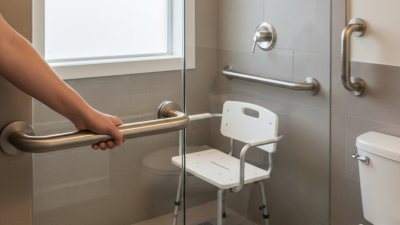
Ensuring bedroom safety is an important preventive measure. One effective strategy is to declutter the space. Remove any items that may cause tripping hazards. Use soft, non-slip mats beside the bed. Keeping the area well-lit is crucial, especially for nighttime navigation. Installing grab bars near the bed can help individuals with mobility issues feel more secure.
Another consideration is the bed height. A bed that is too high or too low can pose risks. Adjusting the height can make getting in and out of bed easier and safer. Regularly checking the safety equipment, like smoke detectors, is also vital. Regular maintenance can prevent more serious outcomes. Remember, safety is a journey, not a destination; keeping an eye on potential hazards must be continuous.
Essential Safety Equipment: Types and Their Benefits in Bedrooms
In every home, bedroom safety equipment plays a vital role in ensuring a secure environment. Having the right items can prevent accidents and reduce risks. Examples include smoke alarms, carbon monoxide detectors, and non-slip rugs. Smoke alarms provide early warning signals, allowing residents to react swiftly. Carbon monoxide detectors are essential for identifying toxic gas leaks that can occur from faulty heating systems. Non-slip rugs help prevent falls, especially for those with mobility issues.
When choosing safety equipment, consider where to place items for maximum effectiveness. Smoke alarms should be installed on every level of the home, particularly in sleeping areas. Carbon monoxide detectors need to be placed near sleeping areas as well, ensuring they are audible even when doors are closed. Non-slip mats can be strategically placed near the bed and bathroom to enhance safety.
Reflect on your current safety setup. Does it meet your family's needs? Ensure that all devices are functional and tested regularly. Some devices might be outdated or poorly placed, diminishing their effectiveness. Addressing these points helps create a safer bedroom for everyone.
Bedroom Safety Equipment Statistics
The above chart displays the percentage of homes equipped with various types of essential bedroom safety equipment, highlighting the importance of these devices in ensuring safety and security within the home.
Guidelines for Implementing Effective Safety Measures in Bedrooms
Ensuring safety in the bedroom is vital for every household. With various elements that could lead to accidents or injuries, implementing effective safety measures becomes a priority. Start by assessing the bedroom layout. Remove any clutter that may pose tripping hazards. Consider furniture placement, avoiding sharp edges in high-traffic areas. Use non-slip mats under rugs to further decrease the risk of falls.
Installation of safety equipment can significantly enhance bedroom safety. Guardrails on beds are essential for young children and the elderly. Additionally, consider installing night lights to help with visibility at night. Opt for window latches that prevent accidental openings, especially in homes with young kids. This small change can prevent accidents from falls.
Remember that regular checks are crucial. Evaluate the condition of safety equipment like smoke detectors and carbon monoxide alarms monthly. If alarms emit a low battery sound, replace them immediately. Small steps like these contribute to a safer environment. Reflect on the existing safety measures regularly. Safety is not just a one-time effort; it requires ongoing attention and adaptation.
Impact of Bedroom Safety Equipment on Enhancing Family Well-being
Bedroom safety equipment plays a crucial role in enhancing family well-being. When we think about safety at home, we often overlook the bedroom. This space is where many accidents can occur, especially for children and the elderly. Simple items like bed rails, non-slip mats, and night lights can prevent falls and injuries. Their presence offers peace of mind for parents and caregivers alike.
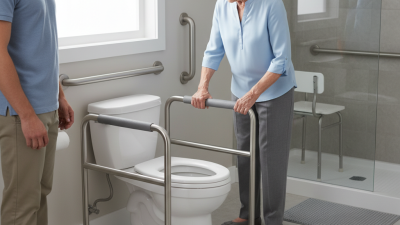
Moreover, bedroom safety equipment encourages independence. For elderly family members, aids such as grab bars can help them navigate their space without fear. This enhances their confidence in performing daily activities. A well-equipped bedroom can be a sanctuary that fosters comfort and safety. However, many families still neglect this important aspect of home safety.
We must reflect on our priorities. Are we doing enough to ensure our loved ones are protected? Small changes can make a big difference. Investing in safety equipment may feel trivial, yet the impact on family well-being is profound. It’s not just about preventing accidents; it’s about creating a supportive environment.
Why Is Bedroom Safety Equipment Essential for Every Home? - Impact of Bedroom Safety Equipment on Enhancing Family Well-being
| Safety Equipment |
Purpose |
Impact on Family Well-being |
Recommended for Age Group |
| Bed Rails |
Prevent falls from bed |
Improves sleep safety and reduces anxiety |
Elderly, Children |
| Smoke Alarms |
Detect smoke and fire |
Enhances safety and peace of mind |
All ages |
| Carbon Monoxide Detectors |
Detect harmful gas |
Prevents poisoning and enhances health awareness |
All ages |
| Night Lights |
Provide visibility at night |
Reduces fear of the dark and prevents accidents |
Children, Elderly |
| Non-slip Mats |
Reduce slipping hazards |
Enhances safety and confidence in movement |
Elderly, all ages |
| Locked Cabinets |
Secure hazardous materials |
Protects children from dangerous substances |
Children |