Top Rehabilitation Support Devices for Global Buyers How to Choose?
In the realm of rehabilitation, choosing the right support devices is crucial. Rehabilitation support devices play a significant role in enhancing patient recovery. They offer mobility, stability, and independence. Yet, with a myriad of options available, global buyers face challenges in making the best choice.
Understanding the specific needs of each individual is essential. Different conditions require different solutions. Some devices focus on mobility, while others prioritize support and comfort. Buyers need to consider factors such as durability, ease of use, and compatibility with existing therapies. This can be daunting.
Many may feel overwhelmed by the variety of rehabilitation support devices. It's easy to choose based solely on brand reputation or price. However, a lack of proper evaluation can lead to regret. The right device can significantly impact recovery, while the wrong choice may hinder progress. Thoughtful consideration will lead to more informed decisions.
Overview of Rehabilitation Support Devices Available Worldwide
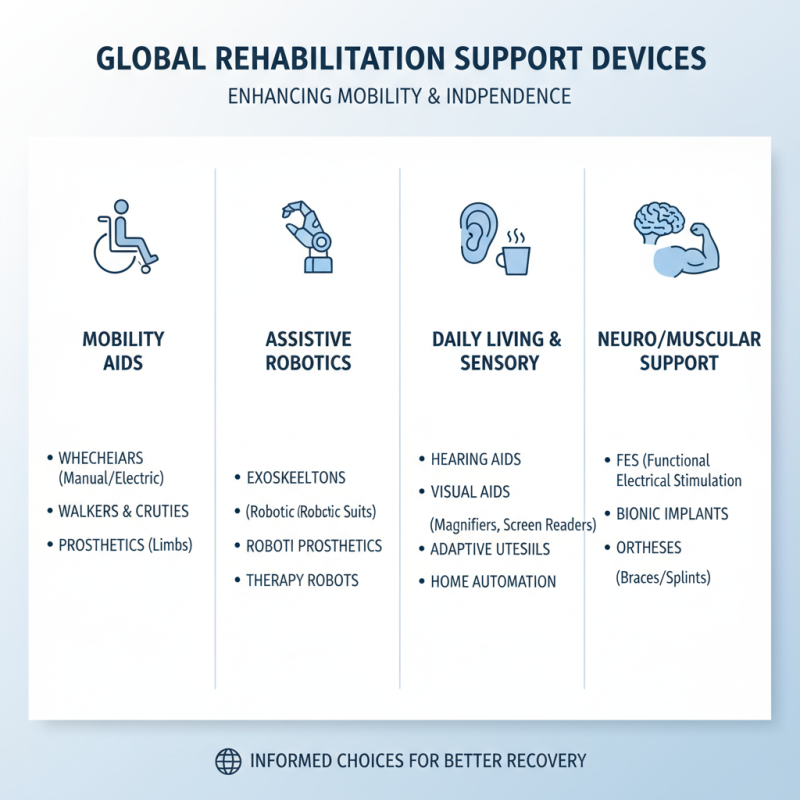
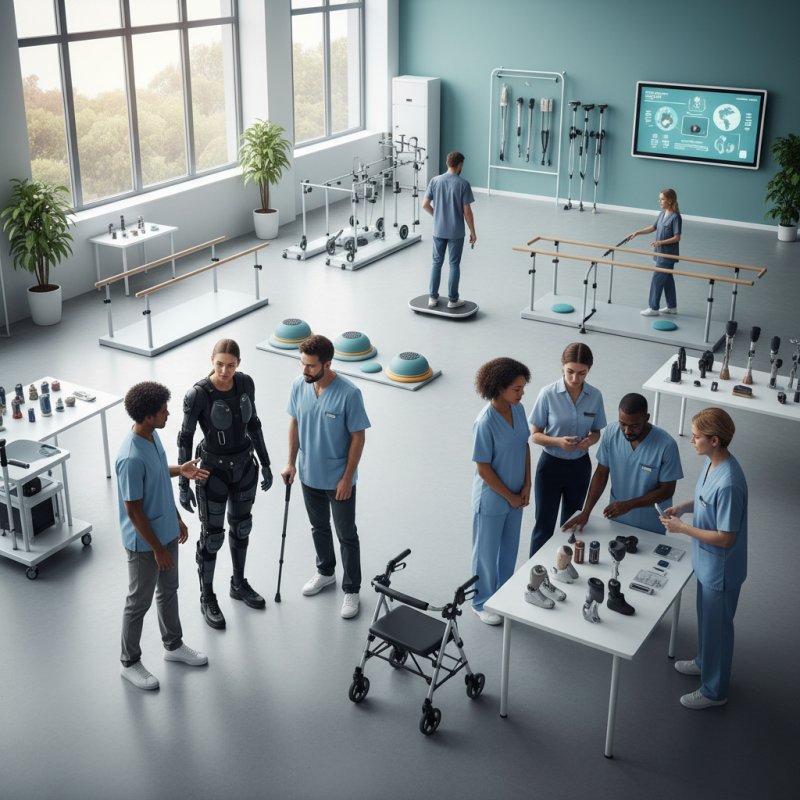
Rehabilitation support devices play a crucial role globally. They aid recovery for individuals with disabilities. From wheelchairs to exoskeletons, these devices enhance mobility and independence. Understanding the available options is vital for informed decisions.
In various countries, the types of devices differ. Some regions prioritize high-tech solutions. Others focus on simple, effective tools. The choice often depends on local resources and infrastructure. Accessibility issues can limit options. In many areas, affordable devices are in high demand but not always available.
Selecting the right device requires careful consideration. Evaluating individual needs is essential. Factors include the severity of the condition and mobility goals. Engaging healthcare professionals can provide valuable insights. Nonetheless, personal preferences should not be overlooked. Each individual’s experience is unique, and what works for one may not work for another.
Key Factors to Consider When Choosing Rehabilitation Devices
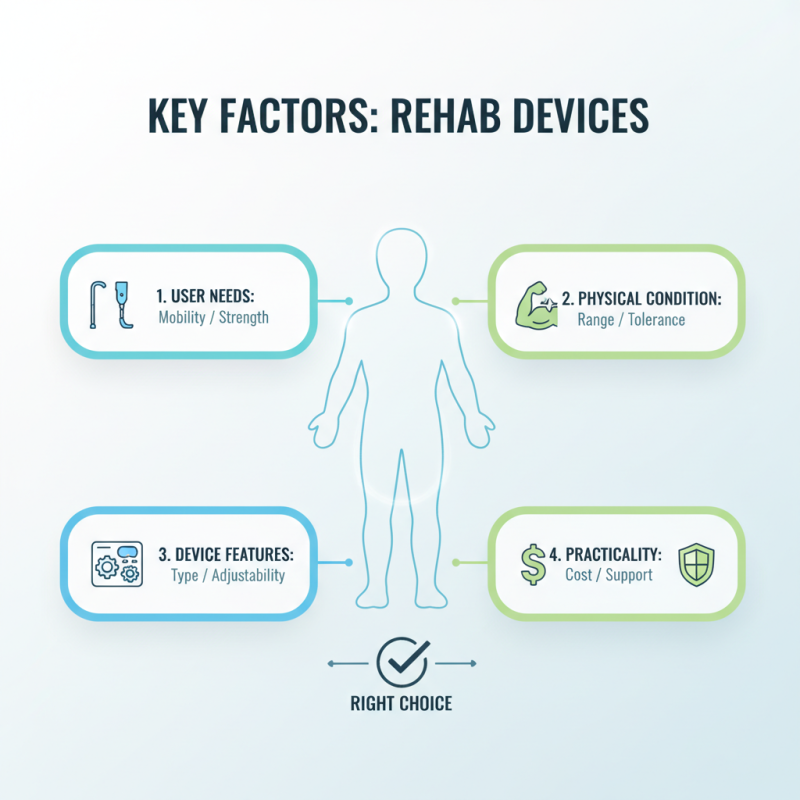
Choosing the right rehabilitation support device can be challenging. Several key factors come into play. First, consider the specific needs of the user. Is it for mobility, strength training, or both? Devices vary significantly. Understanding the user's physical condition is crucial.
Next, assess the ease of use. Complex devices can frustrate users. Look for intuitive interfaces and adjustable settings. These features enhance user experience. Comfort is also a vital factor. Devices must fit well and be easy to handle.
Another point to ponder is the device's durability. Rehabilitation often requires time and consistent use. Investing in a sturdy device saves money in the long run. Lastly, think about professional advice. Consulting healthcare professionals is wise. They can offer personalized insights and recommendations based on expertise.
Different Types of Rehabilitation Support Devices Explained
Rehabilitation support devices are essential for many individuals recovering from injuries or surgeries. These devices come in various types, each designed for specific needs.
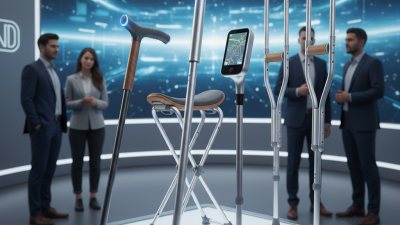
Mobility aids, such as crutches and walkers, are common. They help patients regain their balance and independence. These tools are critical for encouraging movement early in recovery.
Other devices focus on strength-building and rehabilitation exercises. Resistance bands and therapy balls provide gentle resistance, helping to rebuild muscle. They are often used in physical therapy settings. Each device has its own learning curve, and it's crucial to assess individual comfort levels. Not every device suits every patient, leading to frustrations and potential setbacks in recovery.
Choosing the right device requires understanding personal needs. Considerations may include the type of injury, level of pain, and prior activity levels. It's also essential to consult healthcare professionals. They can provide valuable insights and recommendations. Over time, some devices may become less effective as a patient's condition improves. Regularly reassessing the chosen tools can lead to better outcomes. The journey of rehabilitation is often filled with trial and adjustment.
Top Brands and Manufacturers in Rehabilitation Device Market
Choosing the right rehabilitation support devices is crucial for users. The market offers various brands and manufacturers, each with unique strengths. When exploring options, consider factors such as design, functionality, and durability.
Renowned manufacturers focus on innovation and user experience. They strive to create devices that enhance mobility and promote independence. Their products often integrate advanced technologies, ensuring efficiency. However, users should also be aware that not all devices suit individual needs. Some may feel uncomfortable or cumbersome over time.
Quality assurance is another vital aspect. Top brands usually maintain high manufacturing standards and rigorous testing protocols. This reliability enhances user confidence but does not guarantee perfect experiences for everyone. Seeking feedback from other users can provide valuable insights that help in making an informed decision.
Future Trends in Rehabilitation Support Technology and Innovations
The landscape of rehabilitation support technology is evolving rapidly. Innovations in robotics and AI are beginning to play a crucial role. For example, robotic exoskeletons can assist individuals with mobility issues. They provide support in walking and standing, enhancing independence.
Telehealth is another area seeing significant advancements. Remote therapies enable patients to receive care and guidance from their homes. However, access to technology remains a barrier for some. Not everyone has the necessary devices or stable internet.
These challenges highlight a need for inclusive design in rehabilitation devices. Solutions must accommodate diverse user needs and contexts. The focus should be on creating technology that provides real value to all individuals. Future trends suggest a more personalized approach, tailoring solutions to each user's unique journey.
Top Rehabilitation Support Devices for Global Buyers
| Device Type |
Features |
Target Users |
Price Range (USD) |
Future Trends |
| Exoskeletons |
Assist users in movement, scalability for patients. |
Stroke patients, spinal cord injury. |
25,000 - 100,000 |
Advancements in AI for adaptive control. |
| Robotic Rehabilitation Devices |
Automated exercises, real-time feedback. |
Post-surgery patients, elderly. |
10,000 - 60,000 |
Integration with telehealth platforms. |
| Smart Wheelchairs |
Navigation assist, obstacle detection. |
Individuals with mobility impairments. |
5,000 - 30,000 |
Improved AI for learning user preferences. |
| Wearable Devices |
Health monitoring, real-time therapy adjustments. |
Sports rehabilitation, chronic pain. |
200 - 2,000 |
Expansion of connected health ecosystems. |
| Virtual Reality Systems |
Immersive therapy experiences, gamified exercises. |
Rehabilitation centers, home use. |
1,000 - 10,000 |
Focus on enhancing user engagement and compliance. |