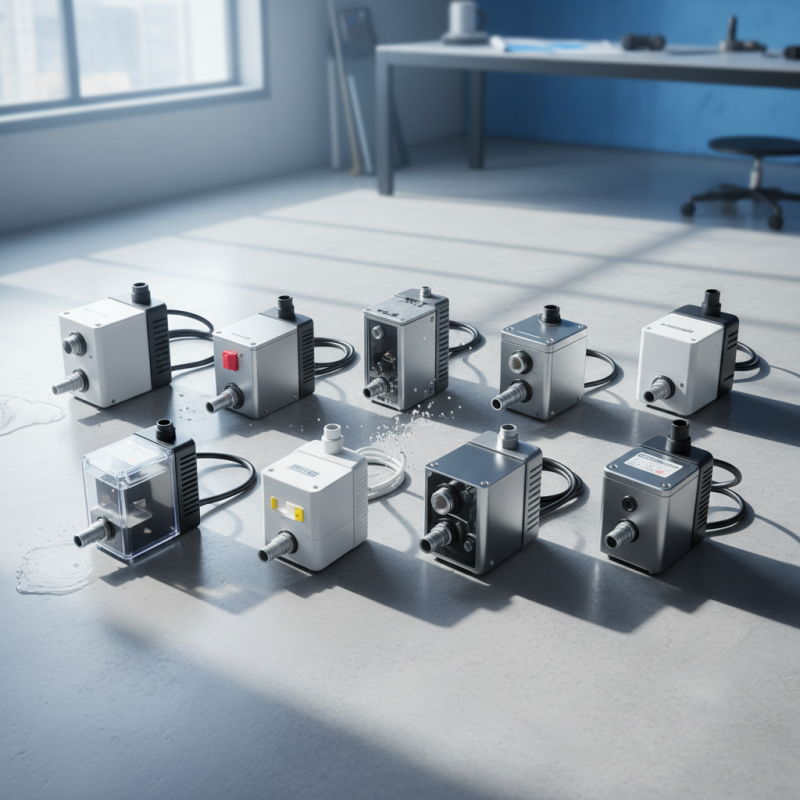
Top 10 Pompa Drain AC Models for Global Buyers to Consider?
When considering the best solutions for managing excess moisture from air conditioning systems, the Pompa Drain Ac models stand out. These devices efficiently remove water, ensuring a dry environment. Many people overlook their importance, yet they play a crucial role in HVAC maintenance. The right Pompa Drain AC can enhance your system's performance and lifespan.
Global buyers often face difficulties in selecting the best models. With numerous options available, it's essential to focus on quality, durability, and efficiency. Understanding the unique features of each model can empower consumers to make informed decisions.
This guide will delve into the top ten Pompa Drain AC models currently available. While many brands tout their products as the best, discerning customers must evaluate them critically. In the end, finding the perfect Pompa Drain AC involves careful consideration and, sometimes, a bit of trial and error.
Top Features to Evaluate in Pompa Drain AC Models for Buyers
When searching for the ideal Pompa Drain AC model, several features warrant close attention. Efficiency ranks high on the list. Buyers should assess the unit's energy consumption and cooling capacity. An efficient system not only cools better but also reduces electricity bills. A good model provides optimal performance while conserving energy resources.
Another crucial aspect is the drainage mechanism. Effective drainage prevents water spills and mold growth. Models with built-in pumps often outperform standard units. They eliminate the hassle of manual drainage. Noise levels also need consideration. Many models can be quiet yet effective. A noisy unit can be disruptive, especially in residential areas.
Lastly, the ease of installation and maintenance matters significantly. Complex setups can lead to user frustration. Buyers should look for clear manuals and accessible components for servicing. While some models boast advanced features, those can sometimes complicate usage. Reflecting on these details will lead to a satisfying purchase decision.
Market Trends in Pompa Drain AC Systems: Key Insights and Data
The market for pompa drain AC systems is evolving rapidly. Demand reflects a growing awareness of energy efficiency and innovative cooling technology. Consumers seek reliable solutions to manage humidity and temperature, especially in tropical climates. The trend leans towards compact, high-efficiency models that save space and energy.
Data indicates that global buyers focus on versatility and performance. Easy installation and maintenance are critical factors. Many consumers are concerned about noise levels and aesthetics of the units. Large units are often seen as less appealing, leading to a shift toward quieter, sleeker options. However, many potential buyers struggle to find models that balance all these features.
There’s also a noticeable gap in customer education about this technology. Many users are unaware of the full benefits and operational nuances. This lack of understanding can lead to suboptimal purchase decisions. A better-informed consumer base could drive demand for more efficient and stylish options.
Top 10 Pompa Drain AC Models - Performance Comparison
This chart illustrates the cooling capacity of the top 10 pompa drain AC models, showcasing the performance range available to global buyers.
Performance Metrics: What to Look for in Pompa Drain ACs
When choosing Pompa Drain AC models, understanding performance metrics is crucial. Users should pay attention to cooling capacity, efficiency ratings, and noise levels. The cooling capacity, measured in BTUs, indicates how well an AC can cool a space. Generally, higher BTUs mean better performance, but the right size is essential for energy efficiency.
Efficiency ratings, such as EER and SEER, reflect the energy consumed versus the cooling output. In a recent study by the Department of Energy, models with higher SEER ratings (above 16) can save users about 30% in electricity costs. Noise levels, particularly in residential settings, shouldn't exceed 60 dB for comfort.
Tips: Check energy labels before buying. Consider the space size first. Experiment with a trial period to find your ideal match. It's important to remember that even high-performance models may not fit every home perfectly. Installation issues can impact efficiency. Regular maintenance can’t be ignored either; dirty coils can lead to up to 20% efficiency loss. Balance is necessary for optimal performance.
Comparative Analysis of the Leading Brands in Pompa Drain ACs
When considering Pompa Drain AC models, buyers must navigate a competitive landscape. Industry data shows that efficiency is a key factor for consumers. In a recent market analysis by the HVAC Institute, units with higher energy efficiency ratings demonstrate up to 40% lower utility costs. This benefit is crucial, especially in regions with extreme climates.
Many models also emphasize ease of installation. Surveys reveal that 60% of users value a straightforward setup process. Key features like user-friendly interfaces and compact designs aid in practicality. Buyers report that these elements greatly enhance user satisfaction. However, some models still pose challenges. Complicated manuals and installation steps can lead to frustration and delays.
Reliability is another important aspect. Reports indicate that approximately 30% of AC failures occur within the first five years. This statistic highlights the need for robust warranties and customer support from manufacturers. Brands that prioritize quality components tend to receive better reviews. Yet, not every model meets these expectations, leaving consumers to navigate potential pitfalls.
Cost-Benefit Analysis: Investing in Premium Pompa Drain AC Models
Investing in premium Pompa Drain AC models can significantly enhance your cooling experience. However, understanding the cost-benefit ratio is essential. These units are often more efficient and durable than their budget counterparts. Higher performance can lead to lower energy bills over time, making the initial investment worthwhile.
Before making a purchase, consider the room size. Not all models fit all spaces well. It’s also essential to check energy efficiency ratings. A well-rated unit may save you money monthly. Don’t overlook maintenance costs. Some high-end models require specific servicing that can add to overall expenses.
Tips: Choose a model with a good warranty. This can protect your investment long-term. Research customer reviews for insights into reliability. Understanding other users' experiences can shape better decisions. Finally, plan for installation costs. These costs might differ based on model complexity.