In today's healthcare landscape, infection prevention products are vital. The World Health Organization reports that over 1.4 million people are affected by infections acquired in hospitals globally. As healthcare facilities strive to reduce these numbers, selecting the right infection prevention products is crucial. Experts emphasize that effective prevention strategies can lower infection rates significantly.
Dr. Emily Roberts, an infection control specialist, states, "Choosing the right infection prevention products can transform how we manage safety in healthcare settings." Her insights highlight the importance of evidence-based practices in selecting these essential tools. From hand sanitizers to disinfectants, the right products can make a significant difference.
However, not all products meet stringent safety standards. The market has its share of misleading claims. As consumers, we must critically evaluate the products we choose. Awareness and education are key to making informed decisions. Investing in high-quality infection prevention products ultimately contributes to better health outcomes for everyone.

Hand hygiene is critical in infection control. Washing hands with
soap and water is effective against many pathogens. However, in situations where soap and water are
unavailable, hand sanitizers become essential. They should contain
at least 60% alcohol to be effective. Yet, many people overlook the
importance of proper application. Roughly 30 seconds of thorough rubbing is often necessary to
ensure effectiveness.
Antimicrobial hand wipes offer another layer of protection. They are convenient for on-the-go situations.
Using these wipes can help eliminate germs on surfaces as well. However, reliance on these products can
lead to complacency. It’s crucial to remember
that they are not a substitute for proper washing techniques. Regular training on hand hygiene
practices can enhance compliance in various settings.
Even with these products, challenges remain. Not everyone understands the correct methods to use them.
Public awareness campaigns are essential to bridge this gap. Proper education can lead to better hygiene practices,
ultimately reducing infection rates. Investing in comprehensive training can foster a culture of safety
and vigilance.
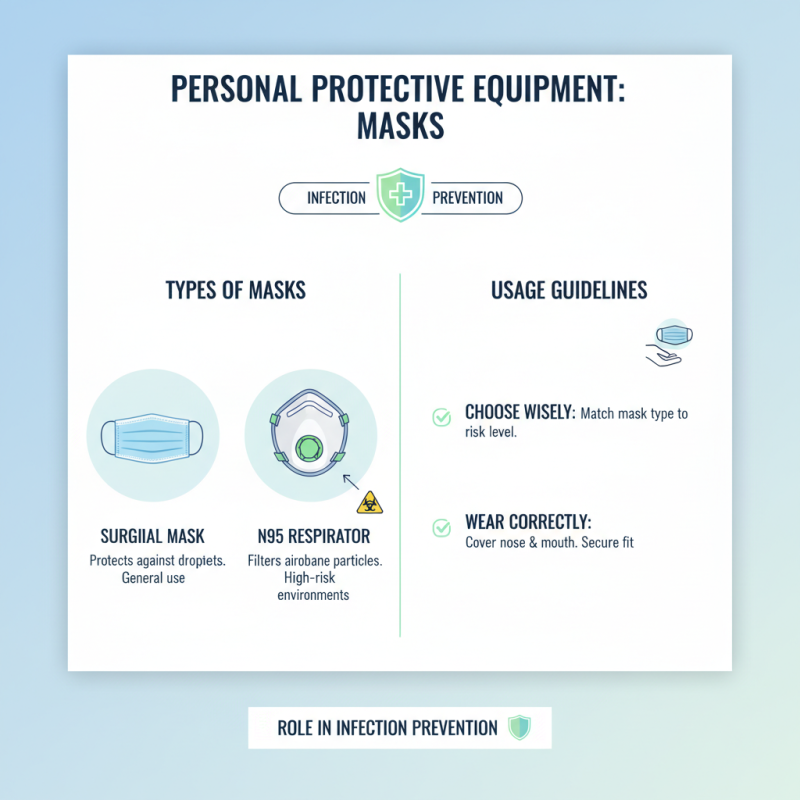
High-quality face masks are essential tools in infection prevention. They offer a barrier against airborne pathogens. The effectiveness of these masks is determined by several key features. First, look for the material. Non-woven fabrics are highly recommended for their filtration efficiency. They help block small particles, ensuring better protection.
Another important feature is the fit. Masks should create a snug seal around the face. Gaps can allow virus transmission. Adjustable straps can enhance this fit. Comfort is also critical. Masks that cause irritation may lead to improper use. Users may end up touching their face more, which increases risk.
Breathability is a vital aspect. Masks that are too thick can make breathing difficult. This may tempt wearers to lower or remove their masks. Choosing a mask that balances protection and comfort is crucial. Despite their importance, some users struggle to find the right mask. Not all face coverings provide adequate protection. This requires awareness and careful selection. Remember that wearing a mask is just one part of a broader strategy for infection control.
| Product | Key Features | Benefits | Usage |
|---|---|---|---|
| High-Quality Face Mask | Multi-layer filtration, adjustable nose bridge, ear loops | Reduces transmission of airborne pathogens, comfortable for extended wear | Healthcare settings, public spaces, daily use |
| Hand Sanitizer | Contains at least 60% alcohol, moisturizing ingredients | Effective against many pathogens, quick drying | Personal use, workplaces, hospitals |
| Disinfectant Wipes | Pre-moistened, kills 99.9% of germs, multi-surface use | Convenient for on-the-go sanitization, no need for rinsing | Offices, schools, homes |
| Protective Gloves | Latex-free, disposable, textured for grip | Reduces hand-to-face contact, protects against contaminants | Medical professionals, cleaning staff, food handling |
| Face Shields | Clear plastic, anti-fog coating, adjustable headband | Additional protection, prevents splashes | Healthcare, laboratories, public gatherings |
| Thermometer | Non-contact infrared, quick response time | Safe and hygienic, allows for quick screenings | Healthcare facilities, schools, home use |
| Air Purifier | HEPA filters, UV-C light, multiple fan speeds | Removes airborne particles, improves air quality | Homes, offices, medical clinics |
| Isolation Gowns | Fluid-resistant, breathable material, full coverage | Protects clothing and skin from contaminants | Healthcare, infection control procedures |
| Respirators | N95 or higher filtration, tight fitting, adjustable straps | Provides higher level of protection against airborne particles | Healthcare settings, high-risk environments |
| Infection Control Kit | Contains essential PPE and sanitization supplies | Comprehensive protection in one package | Healthcare professionals, emergency responders |
In healthcare settings, the importance of effective surface disinfectants cannot be overstated. According to the Centers for Disease Control and Prevention (CDC), contaminated surfaces contribute to the spread of infections. A study highlights that 80% of infections are transmitted by surfaces. This statistic underscores the need for powerful disinfectants.
Effective disinfectants must meet certain criteria, including broad-spectrum efficacy. They should be able to kill bacteria, viruses, and fungi within a short contact time. A recent report from the World Health Organization revealed that many pathogens can survive on surfaces for days, increasing the risk of transmission in high-traffic areas. Regular use of reliable disinfectants in hospitals, schools, and public facilities is essential.
However, not all disinfectants are created equal. Some may leave harmful residues or may not be effective against specific pathogens. This raises questions about safety and effectiveness. Facility managers must regularly evaluate their disinfection protocols. They should consider user feedback and scientific research. A well-informed approach can reduce risks and enhance overall safety in public spaces.
Personal protective equipment (PPE) plays a critical role in infection prevention. Various types of gear serve different purposes. Masks, for instance, protect against respiratory droplets. They come in multiple styles, including surgical masks and N95 respirators. The choice of mask depends on the risk level in a given environment.
Gloves are another essential item. They protect the hands from contamination and bodily fluids. Proper glove usage includes wearing them when necessary and disposing of them correctly. Not everyone understands the importance of changing gloves regularly, which can lead to cross-contamination.
Eye protection is often overlooked. Goggles and face shields guard against splashes and droplets. Not every workplace prioritizes this gear, leaving individuals vulnerable to infection. Effective training on how to use and care for PPE is crucial. Many people lack awareness about this, risking their health and safety. Proper education can bridge this gap and enhance protective measures in various settings.
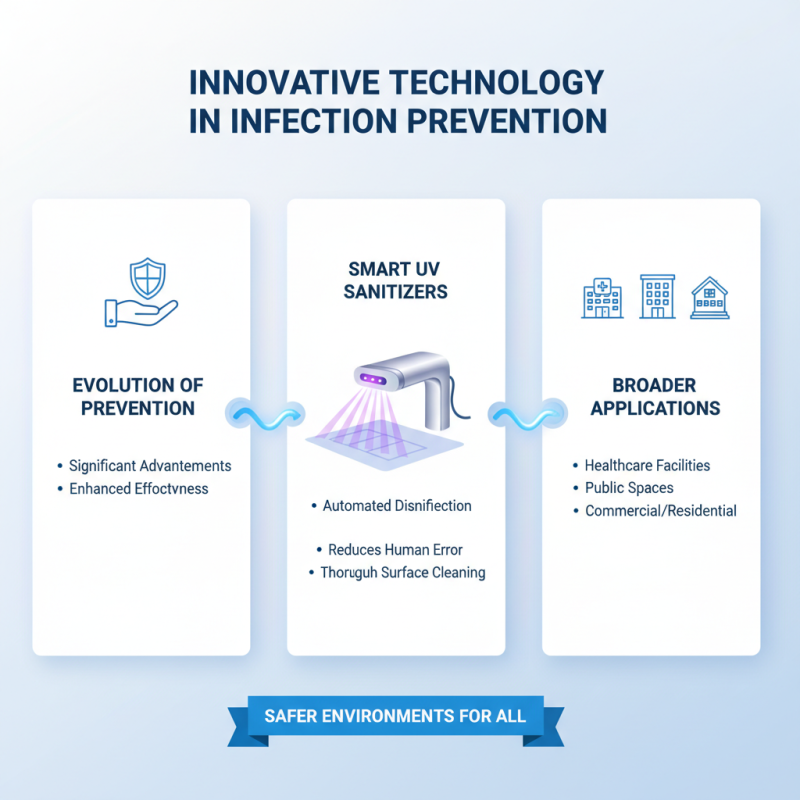
Infection prevention has evolved significantly in recent years. New technologies enhance effectiveness in various settings. For example, smart UV sanitizers utilize automated systems for efficient disinfection. These devices reduce human error and ensure more thorough cleaning of surfaces.
Another innovation is antimicrobial coatings, which provide long-lasting protection. These coatings can be applied to frequently touched surfaces, creating a barrier against harmful pathogens. Their durability makes them a valuable addition to infection control protocols. However, regular maintenance and updates are essential for optimal performance.
Wearable health monitors also play a role in infection prevention. They track vital signs in real-time, helping detect early signs of illness. Individuals can receive alerts about potential health issues. This proactive approach is important, yet challenges in user compliance and data security remain. As technology progresses, the focus must be on not just effectiveness but also user trust and accessibility.