Top 5 Eco-Bikes for Sustainable Transportation Choices?
As urban areas face increasing challenges from pollution and traffic congestion, the Eco-Bike industry emerges as a compelling solution for sustainable transportation. Leading expert Dr. Emily Stanton once stated, "Eco-Bikes not only reduce our carbon footprint but also promote healthier lifestyles." Her insights highlight the dual benefits of integrating Eco-Bikes into our daily routines.
Eco-Bikes come in various forms, including electric, hybrid, and traditional pedal-powered bikes. Each design aims to minimize environmental impact while offering convenience. The surge in their popularity reflects a growing awareness of sustainable practices. Yet, challenges remain. Infrastructure supporting Eco-Bikes must evolve to ensure safety and accessibility for all riders.
In this outline, we will explore the top five Eco-Bikes on the market today, examining their features, benefits, and potential drawbacks. These bicycles represent a shift towards greener living, but integrating them into broader transportation systems is essential. As we embrace Eco-Bikes, we must continue to reflect on our choices and their impact on the environment.
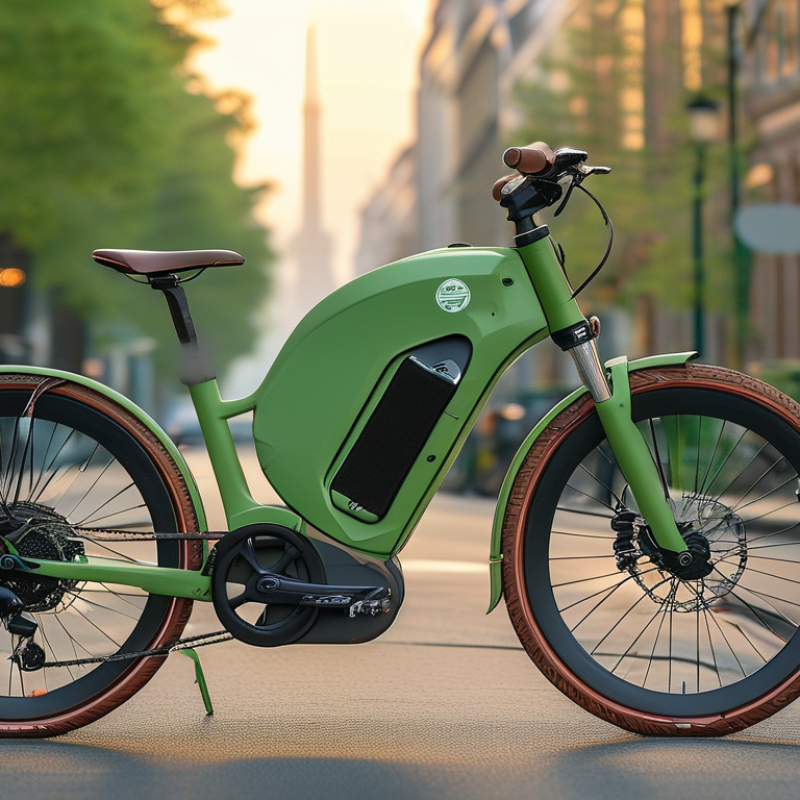
Overview of Eco-Bikes in Sustainable Transportation
Eco-bikes are becoming essential in promoting sustainable transportation. These bicycles offer a balance between convenience and environmental responsibility. They reduce carbon footprints and encourage a more active lifestyle. Eco-bikes include electric-assist models, cargo bikes, and folding bikes. Each serves different needs but shares a common goal: sustainability.
When choosing an eco-bike, think about your daily routes. A bike with a good range is crucial for commuting. Consider the terrain as well; some bikes handle hills better than others. Body comfort matters too. An ergonomic design makes rides enjoyable, especially over long distances.
Tips: Always test ride before buying. Feel how the bike fits your body. Maintain your bike regularly. A well-functioning bike is safer and lasts longer. Finally, explore local cycling events. They provide valuable insights and community support for eco-friendliness. Riding an eco-bike is more than transportation; it's a lifestyle choice, leading to a healthier planet.
Key Features to Look for in Eco-Friendly Bicycles
Choosing an eco-friendly bicycle involves understanding key features that enhance sustainability. It's essential to look for lightweight frames, often made from recycled materials. According to a 2022 report from the World Bicycle Industry, over 30% of bicycles now utilize sustainable materials. This shift reduces environmental impact while enhancing performance.
Another critical factor is energy efficiency. A well-designed eco-bike should offer smooth pedaling with minimal resistance. Studies show that improved gear systems can increase efficiency by up to 15%. This means you can travel longer distances with less effort. When selecting a bicycle, check the drivetrain. A durable, low-maintenance system contributes significantly to overall sustainability.
Remember to consider the bike's lifespan. A higher initial investment in quality can lead to savings and fewer replacements over time. Tips: prioritize durability and serviceability over lower costs. Also, consider local repair options for components. A robust community network can extend the life of your bicycle. This approach encourages responsible consumption and reduces waste.
Top 5 Eco-Bikes for Sustainable Transportation Choices
Top Four Eco-Bike Models for Urban Commuting
Urban commuting can be a challenge, especially with increasing congestion and pollution. Choosing eco-bikes can transform how we travel. Here are four models that excel in urban environments, each with unique features.
The first model offers a lightweight frame, making it easy to maneuver through crowded streets. Its compact design allows for easy storage in small apartments. Riders appreciate its adjustable seat for comfort during longer rides. However, some users report it lacks built-in lights, which can be a concern at night.
Another model boasts a long battery life, ideal for those longer commutes. With a range of up to 50 miles, it reduces the need for frequent charging. Yet, some riders find its weight to be a downside, especially when lifting it onto public transport. A third model stands out for its durability; it's built to withstand harsh weather conditions. Though rugged, it may not be the best choice for those who want a lightweight option.
Finally, there is a model designed for versatility. It includes detachable storage for groceries or work essentials. Users have mentioned slight issues with stability at higher speeds. Each of these eco-bikes offers a unique take on sustainable transportation, encouraging reflection on personal commuting needs.
Top 5 Eco-Bikes for Sustainable Transportation Choices
| Model | Type | Range (miles) | Weight (lbs) | Price ($) |
| EcoBike Z1 | Electric | 50 | 40 | 1200 |
| GreenCycle 500 | Hybrid | 30 | 35 | 800 |
| Urban Cruiser | City | 25 | 30 | 600 |
| Eco-Transporter | Cargo | 40 | 55 | 1500 |
| Nature Rider | Mountain | 45 | 38 | 900 |
Performance Comparison of Leading Eco-Bike Brands
Eco-bikes have emerged as a prominent choice for sustainable urban transportation. According to a recent report, the global e-bike market is expected to reach $38 billion by 2025, driven by a growing awareness of environmental issues. This surge highlights the increasing need for reliable and performance-driven eco-friendly options.
When comparing the performance of leading eco-bike brands, factors such as battery life, speed, and weight become important. Some eco-bikes can travel up to 50 miles on a single charge, making them suitable for long commutes. However, not all brands meet these standards, and many struggle with battery durability. The average e-bike speeds around 20 mph, but this can vary significantly between models. Weight is another critical factor, as heavier bikes can be cumbersome for some riders, impacting overall ride satisfaction.
Moreover, it's essential to consider the full lifecycle of these bikes. Manufacturing processes can affect their ecological footprint, leading to mixed perceptions about their sustainability. Consumers often seek eco-bikes that not only perform well but are also built to last. While the choices are numerous, challenges remain in achieving perfect sustainability and performance consistency across the board.
The Environmental Impact of Choosing Eco-Bikes over Cars
Choosing eco-bikes over traditional cars can drastically reduce our environmental footprint. A report from the European Cyclists' Federation indicates that cycling can reduce greenhouse gas emissions by 40% compared to driving. When a person switches from car commuting to cycling, they can cut their carbon emissions by about 1.5 tons annually.
The production of bikes generates far fewer carbon emissions than cars. According to the International Energy Agency, manufacturing a bicycle emits roughly 1/18th of the carbon footprint of a car. Despite this, many still see biking as less practical. Some might struggle with longer distances or challenging terrain. These factors can prevent many from making the switch.
However, advocating for eco-bikes can lead to significant urban changes. Improved infrastructure, such as dedicated bike lanes, can encourage more people to ride. Evaluating safety and convenience remains essential for promoting this shift. Ultimately, the benefits of cycling are clear, but ongoing adjustments are necessary to maximize adoption and environmental benefits.