Top 5 Tips for Choosing the Best Water Test Kit?
Choosing the right Water Test Kit can be a daunting task. The market is flooded with options. According to a report by the Environmental Protection Agency (EPA), around 15% of U.S. households use private wells, which can harbor contaminants. Selecting an effective kit is crucial for ensuring safe drinking water.
Dr. Sarah Thompson, a water quality expert, emphasizes, "A good Water Test Kit can provide peace of mind, but it's essential to understand the specific contaminants in your area." This sentiment highlights the importance of localized testing. Many kits offer broad-spectrum testing, but they may miss specific pollutants that could endanger health.
While numerous kits exist, not all measure the same parameters effectively. Users often feel overwhelmed by the options and may unintentionally choose a less reliable product. It's essential to consider accuracy, user-friendliness, and cost-effectiveness when choosing a kit. The right Water Test Kit should not only identify contaminants but also guide users on next steps after testing. Reflecting on these aspects can lead to better water quality decisions.
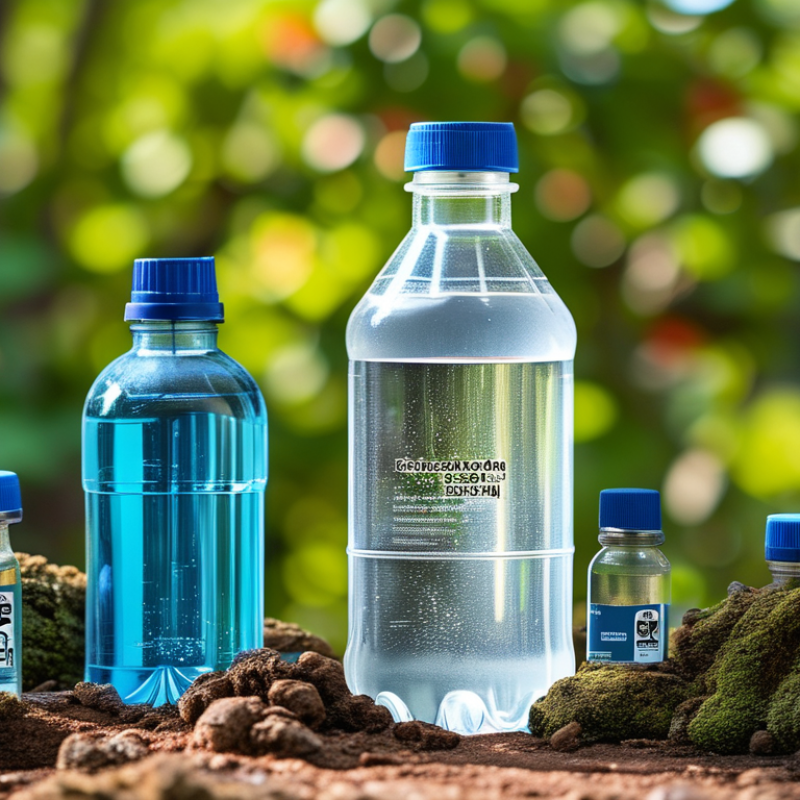
Understanding Different Types of Water Test Kits Available on the Market
When selecting a water test kit, understanding the diverse types available is essential for effective use. Various kits target specific contaminants, such as bacteria, heavy metals, and pH levels. For instance, according to a study by the Environmental Protection Agency (EPA), nearly 13% of household water supplies harbor harmful contaminants. This statistic underscores the importance of choosing the right kit based on local water quality issues.
Many water test kits provide rapid results. Some kits analyze samples within minutes, while others require longer wait times for more accurate readings. This can be critical for homeowners who need immediate insights, especially when safety is a concern. Regular testing helps to monitor changes in water quality, but users must be cautious. Not all kits are precise. The reliability of the results can vary depending on the manufacturing standards and instructions followed.
Water test kits can be categorized into comprehensive and specialized options. Comprehensive kits test multiple parameters, making them convenient for general assessments. However, some users may find the complexity overwhelming. Specialized kits focus on specific issues, offering more accurate results for particular contaminants. While beneficial, they may not address all concerns in one test. Careful consideration of these factors is necessary to ensure the chosen kit meets individual needs effectively.
Evaluating Key Water Quality Parameters: pH, Chlorine, Hardness, and More
When considering a water test kit, key quality parameters should guide your choice. pH levels reveal the acidity or alkalinity of your water. Most drinking water should have a pH between 6.5 and 8.5. A simple test can help you find out if your water is suitable for hydration or gardening.
Chlorine detection is also crucial. Chlorine is often used for water treatment but can be harmful in high concentrations. Homeowners should regularly test their water for chlorine to ensure safety. Hardness is another factor; high mineral content can affect taste and plumbing. Soft water is generally preferred for both drinking and appliance longevity. Failing to assess these parameters can lead to serious issues.
Look for test kits that cover multiple aspects. Many kits offer comprehensive packages. Compare results from different sources for a complete picture. Testing frequently allows you to track changes over time. Accurate measurements empower you to maintain water quality. This proactive approach enhances your control over your water supply.
Water Quality Parameters Comparison
Assessing Accuracy and Reliability: Importance of Certification Standards
When selecting a water test kit, accuracy and reliability are crucial. Certifications provide assurance that a product meets industry standards. Look for kits certified by organizations such as the National Sanitation Foundation (NSF) or Environmental Protection Agency (EPA). These certifications ensure that the kit can accurately detect contaminants. A study from the Water Quality Association shows that certified kits detect impurities with a 95% accuracy rate.
Understanding certification standards is vital. Different kits test for various substances, making it essential to choose one that fits your needs. For instance, some may focus on heavy metals while others test for bacteria or chemical compounds. Always verify that the kit addresses your specific water quality concerns.
Tip #1: Examine the kit's certification. Check if it covers all the substances of interest. Tip #2: Read customer reviews to gauge reliability. Many consumers share their experiences, which can guide your decision. Tip #3: Consider ease of use. Some kits require minimal equipment, making testing more accessible. Small inaccuracies in water testing can lead to significant health risks, so weighing all factors is essential.
Cost Analysis: Choosing a Water Test Kit Within Your Budget Range
When selecting a water test kit, budget is a crucial factor. Many consumers often overlook this aspect, leading to overspending or choosing inadequate tests. A study by the Environmental Protection Agency (EPA) states that approximately 20% of households rely on well water. This statistic highlights the significance of accessible testing options that won’t break the bank.
The price range for basic kits typically falls between $20 and $150. These kits assess common contaminants like chlorine, lead, and bacteria. However, cheaper options may miss vital elements, leading to false security. On the other hand, higher-priced kits often come with advanced features, like mobile app integration. While these are helpful, they may include unnecessary extras for everyday users.
Assess your specific needs before purchasing. If you require frequent testing, investing in a mid-range kit could save money in the long run. According to industry reports, consumers who prioritize upfront costs risk long-term health issues. A balanced approach ensures both affordability and reliable results. Engaging with community resources or seeking expert opinions can further inform your choice, enabling a more cost-effective decision.
User-Friendly Features: Importance of Ease of Use and Interpretation
When selecting a water test kit, user-friendly features are crucial. A kit that is easy to use saves time and minimizes frustration. Look for simple instructions and clear labels. Additionally, consider how quickly you can get results. Fast results allow for timely decisions regarding your water safety.
Interpretation of the results should be straightforward. Many kits include color-coded charts, making it easier to match your sample. However, some people may still find it confusing. It’s essential to choose kits that provide detailed explanations of what the results mean. This can help you understand potential water issues and necessary actions to take.
Even the most advanced kits may have a learning curve. Take the time to read through user reviews. Learning from others' experiences can highlight both strengths and weaknesses of different kits. This reflection may reveal potential pitfalls you didn’t initially consider, helping you make the best choice for your needs.