How to Choose the Best Deck Screws for Your Project?
Selecting the right Deck Screws is crucial for any outdoor project. As Tom Silva, a well-known expert in deck construction, famously said, "The strength of the deck lies in its screws." This highlights the importance of choosing quality deck screws. They not only hold everything together but also ensure the longevity of your project.
Deck screws come in various types, sizes, and materials. Each option has its benefits and drawbacks. For example, stainless steel screws offer corrosion resistance but can be costly. Conversely, coated screws are more affordable but might not last as long. It's essential to consider your project's specific needs when evaluating these options.
Understanding the characteristics of deck screws makes the selection process more manageable. However, mistakes can happen, such as choosing the wrong length or type, which can compromise your deck's integrity. Reflecting on past experiences can guide you in making better choices. The right screws enhance durability and safety, making them an indispensable aspect of deck construction.
Understanding Different Types of Deck Screws and Their Uses
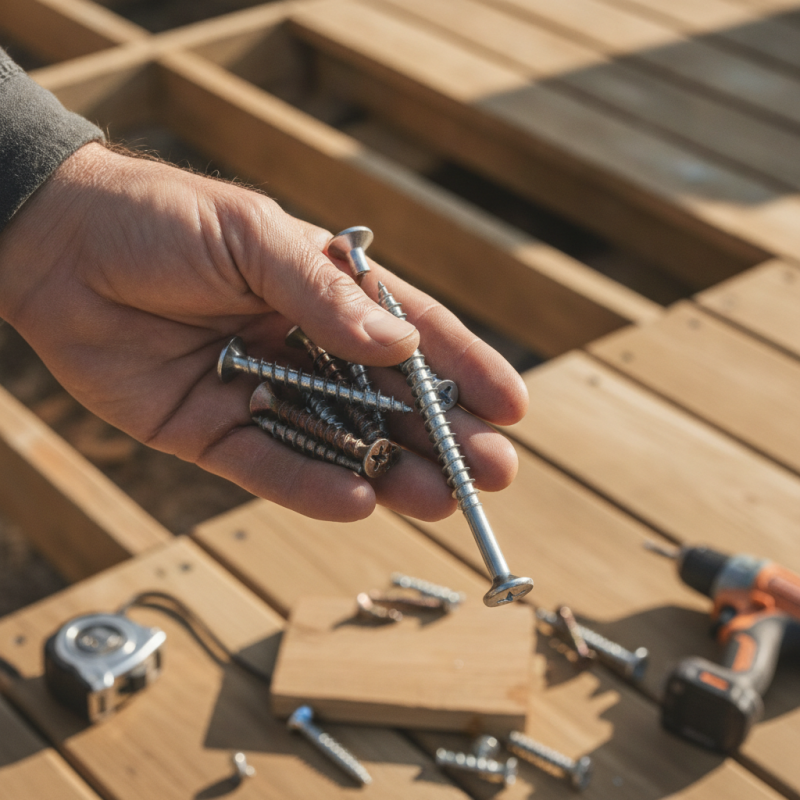
When selecting deck screws for your project, it's crucial to understand the various types available. For example, wood deck screws are designed for fastening wood to wood. They often have sharp tips and coarse threads that grip the wood securely. Some screws even feature a specially designed head to prevent stripping. This makes them ideal for outdoor decks. However, you must consider the type of wood you are using. Softwoods may not need the same type of fasteners as hardwoods.
Stainless steel screws are another option, known for their corrosion resistance. They are perfect for environments with high moisture exposure, such as coastal areas. However, while they offer durability, they can sometimes be overkill for simple projects. You might find that cheaper alternatives could suffice. Additionally, coated screws provide a budget-friendly option with decent protection. The downside is that coatings can wear off over time, especially in harsh conditions. Weighing the pros and cons of each type is important for a successful outcome.
Factors to Consider When Choosing Deck Screws for Your Project
When selecting deck screws, consider several essential factors. Material is crucial. Stainless steel offers excellent corrosion resistance for outdoor projects. On the other hand, coated screws may provide a cost-effective option. However, their lifespan might be shorter in harsh weather conditions.
The screw size also matters. Choose the right gauge and length to ensure a secure fit. Too short may lead to weak joints, while too long can damage underlying structures. It’s best to balance strength with precaution.
Tips: Always test a small batch before buying in bulk. This can prevent issues later on. Check for any inconsistencies in threads or heads, as those defects impact performance. Lastly, consulting with a professional can provide insights into the most suitable options for your project’s demands.
Material Choices: Wood, Composite, and Other Decking Options
When selecting deck screws, consider the material of your decking. Wood remains a classic choice for many homeowners. It offers natural beauty and warmth. However, untreated wood can warp or split over time. You might find that stainless steel screws work best with wood, as they resist rusting and corrosion.
Composite decking is increasingly popular. It blends wood fibers and plastic, making it durable and low-maintenance. But not all screws fit composite materials well. Some can cause cracking or damage. Look for screws specifically designed for composite use. This ensures a better fit and longer-lasting hold.
Tips: Always pre-drill holes in hardwoods to prevent splitting. For softer woods, like cedar, sharp screws can quickly penetrate without pre-drilling. Inspect the screw length too. Ensure it matches the thickness of your decking for optimal strength. Don't overlook these details; they can make or break your project.
Length and Diameter: Finding the Right Size for Your Decking Needs
Choosing the right length and diameter for deck screws is crucial. A report by the American Wood Council states that the most commonly recommended screw length is 2.5 to 3 inches for standard decking. This size ensures adequate penetration into the joist beneath while allowing room for expansion and contraction.
When considering diameter, a screw gauge of #8 to #10 is often suggested. This provides a balance between strength and ease of installation. A thicker screw can better handle the weight and stress of heavy foot traffic. However, one must be mindful of using screws that are too thick, as they may split the wood. Quality wood may require a lighter touch.
Not all projects are the same. Factors like climate and decking material influence these choices. For composite decking, the recommendations may vary slightly. Using a longer or shorter screw might seem trivial but can impact durability. Understand the specific needs of your project and test different sizes if necessary. Balancing these factors can result in a well-constructed and lasting deck.
Corrosion Resistance and Coatings: Ensuring Longevity and Durability
When selecting deck screws, corrosion resistance is crucial. Wood decks, especially those exposed to moisture, need screws that can withstand the elements. Reports show that nearly 40% of deck failures are due to rusting screws. Without proper protection, ordinary steel screws degrade quickly, leading to costly repairs.
Coated screws offer a solution. Common coatings include galvanized and polymer. For example, galvanized screws have a zinc coating that protects against rust. Studies indicate that these screws can last up to four times longer in adverse conditions. Polymer-coated screws provide even better longevity, with resistance to chemicals and environmental factors. Yet, not all coatings are equal. Some may chip or wear down, leading to potential weaknesses.
Choosing the right screw involves understanding these coatings. It's vital to consider the specific environments your deck will face. A less durable option may save money upfront but could lead to major repairs later. Long-term performance should guide your decision. Sometimes, investing in better materials upfront pays off. Balancing cost and durability is key for any project.