How to Choose the Best WPC Floor Decking for Your Project?
Wpc Floor Decking has become a popular choice for outdoor projects. Its durability and aesthetic appeal make it an ideal option. Industry expert John Stevens, a seasoned contractor, emphasizes the importance of selecting the right materials. He states, "Choosing the best WPC floor decking can transform your outdoor space."
When considering WPC floor decking, the variety of options may feel overwhelming. Different brands offer unique textures, colors, and compositions. This can lead to confusion about which product truly meets project needs. Reflecting on your specific requirements and the local climate can guide your decision-making process.
Price is not the only factor that matters. Long-term performance and maintenance should weigh heavily in your choice. Some decking may look great initially but can deteriorate under harsh sun or heavy rain. Take your time to analyze warranties and customer reviews before making a commitment. Quality is paramount for lasting satisfaction in your outdoor spaces.
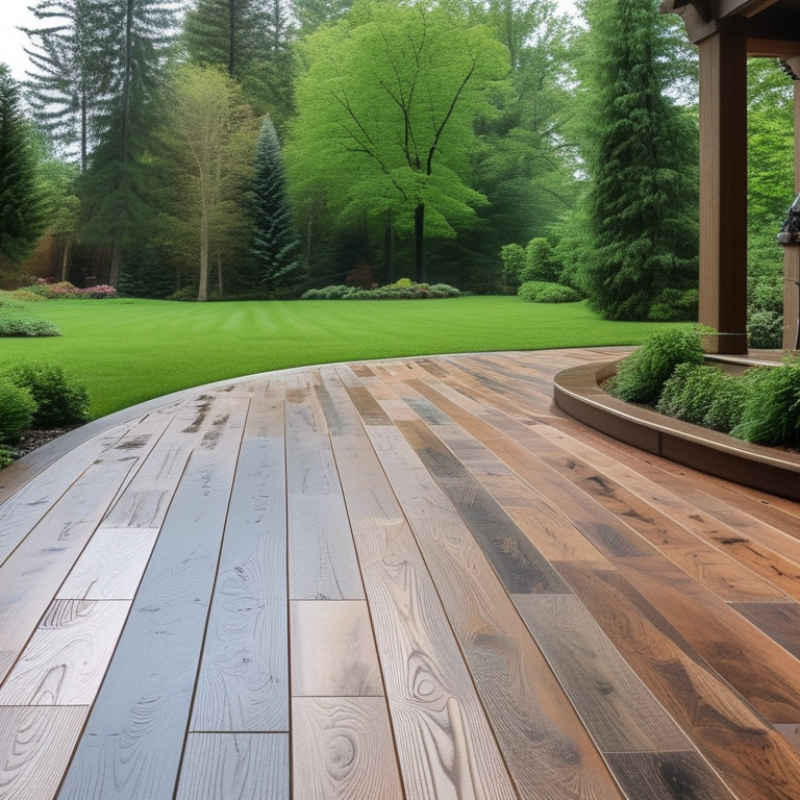
Understanding WPC Flooring: Composition and Benefits
WPC flooring, or wood-plastic composite flooring, is increasingly popular for its unique composition. It combines wood fibers and recycled plastic. This mixture creates a durable and water-resistant product suitable for various environments. Homeowners and builders alike appreciate these qualities, especially in areas prone to moisture.
The benefits of WPC flooring extend beyond durability. It offers a natural wood look, enhancing the aesthetic appeal of any space. This flooring is low-maintenance, requiring simple cleaning and occasional sweeping. Its resistance to fading and scratching makes it a practical choice for high-traffic areas. However, being synthetic, some may question its environmental impact. It is worth reflecting on the balance between durability and sustainability.
Consider the installation process as well. While some find it straightforward, others may struggle. Precise measurements and leveling are crucial for optimal results. Those without prior experience might feel overwhelmed, leading to potential mistakes. It's essential to weigh personal skills against project demands before proceeding.
Identifying the Key Factors in WPC Decking Selection
Choosing the right WPC (Wood Plastic Composite) flooring for your project requires careful consideration. Several key factors come into play. Start with the material quality. Ensure that the WPC decking is made from high-quality components. This affects durability and lifespan. Look for boards that resist fading, scratching, and moisture. These attributes will enhance longevity and overall performance.
The design is another critical aspect. WPC decking comes in various finishes and colors. Understanding your aesthetic preference can guide your choice. Visual appeal shouldn't compromise function. Comfort underfoot and slip resistance are vital as well. Test samples if possible. Evaluate how the texture feels when wet and dry.
Finally, consider installation aspects. Some decking options are easier to install than others. Assess whether you plan to do it yourself or hire professionals. Even if a product looks great, complex installation can lead to frustration. Balancing beauty with practicality will lead to a successful choice in WPC decking. Each of these factors can significantly influence the final outcome of your project.
Comparing Different WPC Decking Brands and Models
When selecting WPC (Wood Plastic Composite) decking for your project, a comparison of various brands and models is crucial. The performance and durability of WPC materials can vary widely. According to industry reports, the lifespan of quality WPC decking can range from 15 to 25 years, depending on the formulation and manufacturing processes. Some models employ advanced technology for enhanced moisture resistance, while others may struggle under similar conditions.
It’s essential to consider the materials used in different brands. Some WPC decks have higher wood fiber content, making them more vulnerable to warping. In contrast, brands that utilize advanced plastic formulations can provide better durability, yet they often come at a higher cost. Pay attention to warranties; they can offer valuable insights into the manufacturer's confidence in their product.
Tips: Look for products that have undergone rigorous testing for slip resistance and UV stability. These factors significantly affect the safety and longevity of your decking. Additionally, always read customer reviews and independent assessments. Real-world feedback can highlight issues not covered by marketing materials. Ensure your choice aligns with your environmental standards. Some brands focus on recycled materials, adding an eco-friendly aspect to your project. Take the time to weigh these factors before making a decision.
Evaluating Durability and Weather Resistance in Decking Options
When selecting WPC floor decking, durability and weather resistance are crucial. According to industry reports, approximately 70% of decking failures stem from poor material choices. WPC, or wood-plastic composite, offers a blend of natural wood fibers and recycled plastic. This combination yields significant resistance to moisture, mold, and pests. In areas with high humidity, choosing a high-quality WPC can reduce maintenance concerns.
Weather resistance is another vital factor. Research indicates that WPC materials can withstand severe weather conditions for over 25 years. Their resistance to fading, warping, and splintering makes them an ideal choice for outdoor projects. However, not all WPC products are created equal. Some options may still deteriorate over time, especially if they lack proper UV protection. Always review manufacturer specifications and third-party test results.
Selecting the best WPC decking requires careful consideration. Look for products that meet industry standards and have gone through rigorous testing. It's essential to weigh the benefits against potential weaknesses. While some WPC materials may have superior properties, others might fall short in durability. Consider local climate conditions and installation environment to ensure a lasting investment.
How to Choose the Best WPC Floor Decking for Your Project? - Evaluating Durability and Weather Resistance in Decking Options
| Decking Type | Material Composition | Durability Rating | Weather Resistance | Maintenance Needs |
| Wood-Plastic Composite (WPC) | 60% Wood Fiber, 30% Plastic, 10% Additives | 8/10 | High | Low – Clean with soap and water |
| PVC Decking | 100% Polyvinyl Chloride | 9/10 | Very High | Very Low – Just rinse off |
| Composite Decking | 50% Recycled Wood, 50% Recycled Plastic | 7/10 | Medium | Moderate – Requires sealing |
| Aluminum Decking | 100% Aluminum | 10/10 | Extreme | Very Low – Minimal upkeep |
Budgeting for WPC Flooring: Cost Analysis and Installation Expenses
When budgeting for WPC flooring, understanding costs upfront is essential. WPC, or wood-plastic composite, combines wood fiber and plastic. This unique composition offers durability and aesthetics. However, prices vary widely based on quality and thickness. On average, you may spend between $3 to $7 per square foot.
Installation costs are another factor. Hiring professionals can add $2 to $5 per square foot. DIY installation is an option, but it requires tools and skills. Mistakes can lead to extra expenses. Always consider additional costs like underlayment or removal of old flooring. Even small details can add up quickly.
Reflecting on choices is crucial. Budgeting too tightly may lead to compromising on quality. Skimping now can result in costly repairs down the road. Always research local options and gather multiple quotes. Each decision impacts the overall budget. Balancing cost and quality often requires careful consideration.