Why Choose the Best Hair Dye for Your Needs?
Choosing the right Hair Dye is essential for achieving your desired look. The hair dye market is projected to reach $30 billion by 2025, reflecting its significance in personal grooming. According to a report by Grand View Research, over 60% of women in the U.S. color their hair regularly. This statistic highlights a widespread desire for self-expression and beauty enhancement.
However, not all hair dyes are created equal. The ingredients and formulations can vary tremendously. Some dyes contain harsh chemicals, which can lead to damage. A study published in the Journal of Investigative Dermatology indicated that improper use of hair dye can cause scalp irritation and allergic reactions. Consumers need to be informed about their choices to avoid these issues.
Selecting a hair dye that meets your needs requires research. It's not just about color; it’s about health and safety too. Trustworthy brands often provide transparency regarding ingredients. Therefore, understanding which options are best for your hair type is crucial for a successful coloring experience. Ultimately, the right hair dye enhances beauty and boosts confidence.
Choosing Hair Dye Based on Hair Type: Key Considerations
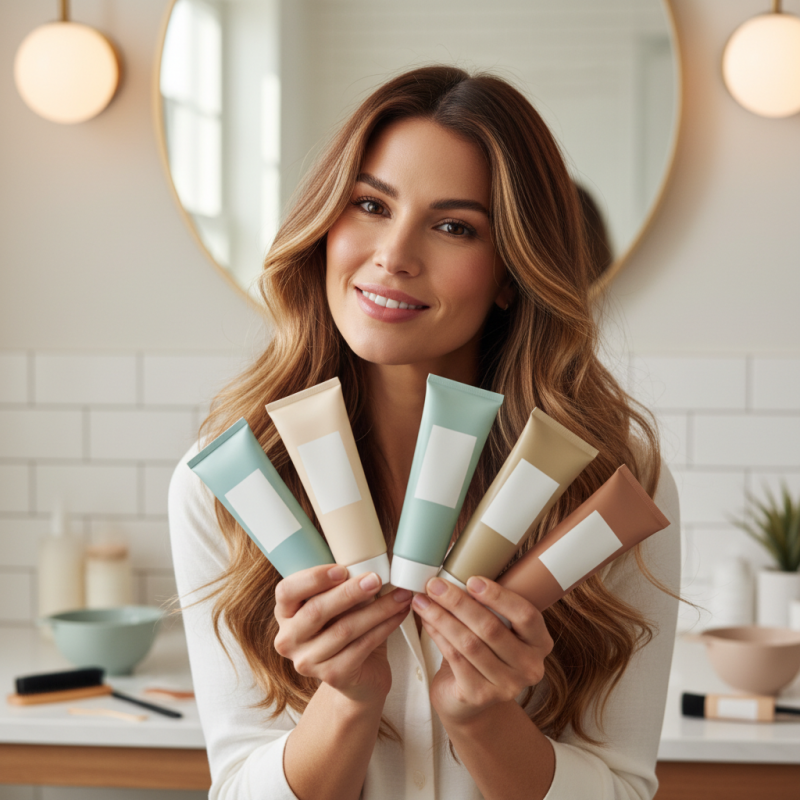
Choosing the right hair dye starts with understanding your hair type. Different hair types react differently to color. For example, curly hair may hold dye better than straight hair. Fine hair often absorbs color quickly, potentially leading to a darker result than expected. Knowing your hair's unique texture helps make informed choices.
It’s essential to consider the porosity of your hair. High-porosity hair absorbs dye easily but may fade faster. Low-porosity hair may require more effort to take color. Experimenting with a patch test can prevent disappointment. Use a small amount of dye on a hidden strand and observe the outcome.
When selecting a dye, pay attention to the ingredients. Opt for ammonia-free formulas for less damage. But remember, even gentle dyes can affect hair health. Regular deep conditioning treatments are vital for retaining moisture. It's a journey to find the right match for your needs, so be patient and willing to adjust your choices.
Understanding the Ingredients: Chemicals vs. Natural Hair Dyes
When it comes to hair dye, understanding the ingredients is crucial. Chemicals often dominate commercial dyes. These can contain ammonia, parabens, and resorcinol. Such substances can cause scalp irritation and allergic reactions in sensitive individuals. According to a report from the American Academy of Dermatology, 30% of people experience adverse effects from synthetic hair dyes.
On the other hand, natural hair dyes, like henna and indigo, provide a gentler alternative. They are derived from plant materials and are often free from harsh chemicals. A study published in the Journal of Cosmetic Science found that users of natural hair dyes reported significantly fewer side effects. While natural dyes might not offer the same range of vibrant colors, they appeal to those seeking a less damaging option.
Choosing between these two types depends on personal needs. Some prefer the bold results of chemical dyes. Others may reflect on the healthier benefits of natural options. Your hair deserves careful consideration, and being informed about your choices can lead to better results.
Evaluating Color Longevity: Statistics on Fade Resistance
When choosing hair dye, color longevity is a key factor. According to recent statistics, about 70% of consumers prefer dyes that resist fading. Fading can happen due to various reasons. Sun exposure, washing frequency, and styling products all play a role. A study from the Hair Color Association indicated that dyes with higher pigment concentration tend to fade less quickly.
Colors that are richer and darker often show better fade resistance. In a survey, 64% of users reported that darker shades maintained their vibrancy longer compared to lighter tones. However, many don’t realize that even the best products can fade over time. Temporary dyes may wash out in just a few shampoos, leading to disappointment. It’s essential to consider these aspects when making a choice.
Regular maintenance can enhance color longevity. Using sulfate-free shampoos may extend the life of colored hair. The professional recommendation is to wait at least 72 hours after dyeing before washing your hair. Missing this step can diminish the vibrancy much quicker. These findings suggest that understanding fading and maintenance needs is crucial for achieving desired results.
Assessing Skin Sensitivity: Allergy Rates in Hair Dye Users
When choosing a hair dye, assessing your skin sensitivity is crucial. Numerous studies indicate that allergy rates among hair dye users can be surprisingly high. These allergic reactions can vary from mild irritation to severe dermatitis. Identifying your sensitivity allows you to make better choices that protect your skin health.
Skin patch tests play an essential role in this process. By applying a small amount of dye to a discreet area, you can detect potential reactions. This test is particularly important for people with sensitive skin. Many ignore this step, risking adverse reactions that could be avoided. It’s always wise to consult a dermatologist, especially if you've had reactions to hair products in the past.
Awareness of ingredients is vital. Some common components in hair dyes can cause allergic responses. PPD (para-phenylenediamine) is a known allergen for many individuals. Understanding these factors helps consumers navigate hair dye options. It’s essential to weigh your personal experiences with hair dyes against product labels. Stay informed and prioritize your skin's wellbeing when choosing a hair dye.
Cost-Effectiveness: Comparing Price vs. Quality in Hair Dyes
Choosing the right hair dye goes beyond just color. Cost-effectiveness plays a crucial role. A recent industry report revealed that consumers increasingly weigh price against the quality of products. The hair dye market is projected to reach $24 billion by 2025, indicating a growing demand for quality over mere affordability.
When evaluating hair dyes, it's essential to examine ingredients and durability. Some dyes may boast lower prices but contain harsher chemicals. A survey showed that 45% of users experienced adverse reactions after using low-cost options. In contrast, investing in high-quality dyes can result in healthier hair and longer-lasting color. A common pitfall is the misconception that all expensive products guarantee better results.
Price alone doesn't define value in hair dye. Regular cheaper options may encourage frequent touch-ups, negating their cost-effectiveness. A comprehensive analysis can reveal that spending slightly more upfront could save you money long-term. Consumer reviews often indicate that a small investment in professional-grade dye leads to noticeable improvements in vibrancy and shine.