2026 Best Wheel Loader Models for Global Buyers?
The demand for reliable and efficient Wheel Loaders has grown exponentially in recent years. As industries evolve, so too do the machines that support them. When considering a purchase, global buyers must evaluate numerous models. Each model comes with its strengths and drawbacks.
In 2026, various manufacturers will unveil new and updated Wheel Loader models. Some models will focus on enhanced fuel efficiency, while others may emphasize advanced technology. Buyers will need to reflect on their specific needs and operational contexts. The right Wheel Loader can significantly impact productivity and costs.
Selecting the best Wheel Loader is not an easy task. Prospective buyers should consider their own experiences, the technical know-how of the equipment, and the manufacturer's reputation. All these factors contribute to making an informed choice. Proper research will lead to a more satisfying investment. Ultimately, the goal is to find a Wheel Loader that aligns with both budget and performance expectations.
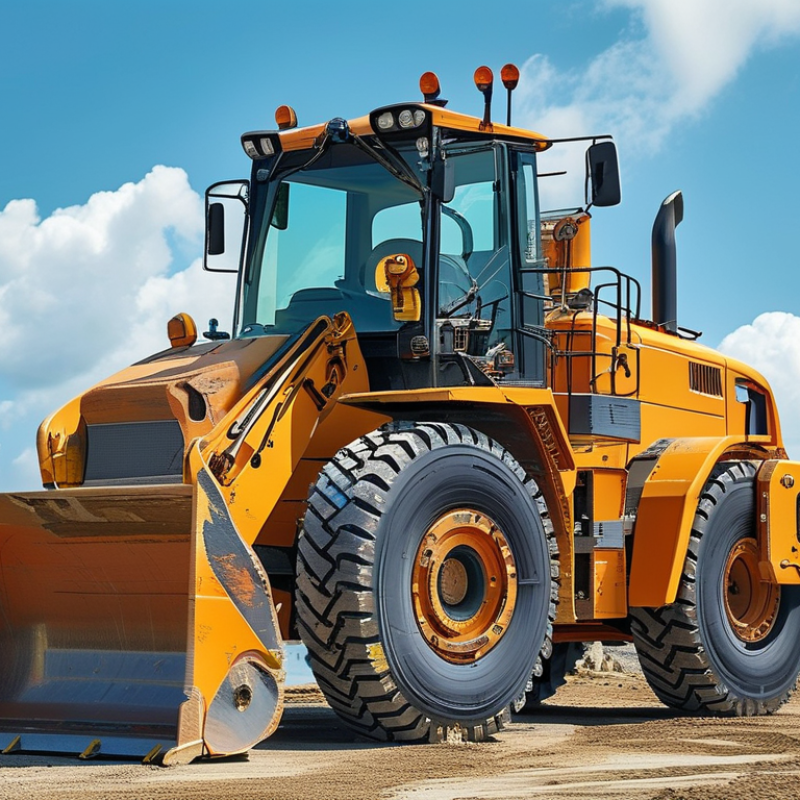
Top Wheel Loader Brands for 2026 Global Market
Choosing the right wheel loader can significantly impact productivity. In the global market of 2026, buyers should focus on models that excel in efficiency and durability. Popular brands stand out for their innovative technology. Their loaders often feature advanced hydraulic systems and ergonomic designs, enhancing operator comfort and reducing fatigue during long hours of operation.
When selecting a model, consider your specific needs. Different applications demand different features. Look for loaders with versatile attachments. These can transform a single machine into a multi-functional powerhouse. Always check the specifications carefully. Understanding power ratings and lift capacities is crucial for making informed decisions.
Tips: Test drive models whenever possible. Feel the controls and assess visibility. Also, consult with experienced operators about their preferences. Their insights can provide valuable guidance. Remember, the best option is not always the most expensive. Balancing cost and functionality can lead to better long-term results.
Key Features to Consider When Choosing a Wheel Loader
Choosing the right wheel loader involves considering several key features. One of the most important aspects is the machine's operating capacity. A higher operating capacity means it can handle heavier loads efficiently. Match the loader’s capacity with your project's demands for optimal performance.
Another crucial feature is the visibility from the operator's seat. Good visibility enhances safety and productivity. Larger windows and a well-designed cab make it easier for operators to monitor their surroundings. Comfort is also important; an ergonomic seat can reduce fatigue during long hours of work.
**Tips:** Focus on hydraulic performance. A loader with smooth, responsive hydraulics saves time and improves workflow. Also, consider the maintenance requirements. Less frequent maintenance means lower downtime. Technology integration can enhance productivity and provide useful data analytics.
Be aware that while advanced features are appealing, they may complicate repairs. Simplicity often aids long-term reliability. Choosing a model that balances advanced technology with ease of use will be beneficial in the long run.
2026 Best Wheel Loader Models for Global Buyers
| Model | Operating Weight (kg) | Bucket Capacity (m³) | Engine Power (HP) | Max Lift Height (m) |
| Model A | 8500 | 2.5 | 150 | 3.2 |
| Model B | 9500 | 3.0 | 180 | 3.5 |
| Model C | 7800 | 2.0 | 130 | 2.8 |
| Model D | 8200 | 2.3 | 160 | 3.0 |
| Model E | 9000 | 2.8 | 175 | 3.4 |
Comparative Analysis of Performance in Popular Models
When considering the best wheel loader models for global buyers, it's essential to analyze their performance comprehensively. Each model brings distinct features, with variations in power output, operational efficiency, and maintenance needs. Some loaders excel in fuel efficiency, while others are noted for their lifting capabilities. Buyers should examine how these performance metrics align with their specific operational requirements.
One critical aspect to reflect on is the user experience. Some models may offer advanced technology that enhances usability but can lead to complicated malfunctions. Additionally, while a higher price tag often correlates with better performance, this isn't always true. Maintenance costs can vary widely and impact the overall value of the investment. Accessories can further complicate this landscape, as the effectiveness of attachments can heavily influence productivity.
Another point of consideration is adaptability. Not all models perform equally in diverse environments, such as construction sites or agricultural fields. Performance can fluctuate based on local conditions, impacting reliability. Buyers may expect top performance based solely on specifications. However, real-world applications can reveal limitations that are not apparent in product descriptions. An informed choice will come from understanding both the numbers and the practical experience behind them.
Innovations and Technological Advancements in 2026 Models
The wheel loaders of 2026 showcase impressive innovations, setting new industry standards. New design elements focus on enhancing productivity and sustainability. Many models now include advanced energy-efficient engines. These engines reduce fuel consumption while maintaining power. Moreover, manufacturers incorporate smart technology, enabling real-time data analysis. This feature allows operators to optimize performance instantly.
Safety improvements stand out in the latest models. Enhanced visibility systems aid operators in avoiding blind spots. Additionally, new hydraulic systems provide faster response times. Operators can execute tasks with precision and ease. However, some of these advancements come with a learning curve. Training may slow initial adoption. Buyers must consider this transition period. Balancing innovation with user comfort could be challenging.
As wheel loaders evolve, the focus on operator comfort deepens. Cutting-edge ergonomic designs help reduce fatigue. Adjustable controls offer personalized setups. Yet, some users find these features overwhelming. Simplifying the interface could enhance user experience. The positive aspects are evident, yet challenges remain. Reflecting on these elements can guide buyers in making informed decisions.
2026 Best Wheel Loader Models - Innovations and Technological Advancements
Customer Reviews and Feedback for Leading Wheel Loaders
Customer feedback plays a crucial role when evaluating the best wheel loaders in 2026. Recent industry reports indicate that user satisfaction is often linked to performance metrics. For instance, 78% of owners focus on fuel efficiency and operational ease. This data emphasizes the trend toward loaders that require less maintenance while delivering optimal results.
Reviews reveal a concern about the learning curve associated with advanced loader features. While many models tout automation and smart systems, a significant portion of operators feel overwhelmed. About 65% reported challenges in adjusting to sophisticated controls. This feedback suggests that manufacturers must balance innovation with user-friendliness.
Moreover, durability remains a top priority. According to industry surveys, 72% of users express dissatisfaction with machine longevity. Many noted issues with wear and tear after a short period. These insights highlight the need for manufacturers to enhance their design processes to ensure reliability. Buyers are increasingly looking for loaders that offer robust performance over time, without excessive operational costs.