2026 Best Canadian Cigarette Brands for Legal Global Buyers
Choosing among Canadian cigarette brands in 2026 requires more than comparing package design or price. Legal adult consumers should examine product information, manufacturer records, and current Canadian tobacco regulations. Brand availability can differ by province, while taxes, retail rules, and health warnings may change over time.
This guide focuses on verified, lawfully marketed products and responsible research. It does not recommend smoking or suggest that any cigarette is safe. Tobacco use carries serious health risks, including addiction, cancer, and cardiovascular disease. Readers should confirm age requirements and purchase only through authorized channels. Global buyers must also review the import, customs, labeling, and excise rules of their destination country before making any decision. Laws are not uniform.
Practical details matter. Check the package for standardized warnings, tax markings, manufacturer information, and an intact seal. Compare official sources with reputable public-health guidance, rather than relying on anonymous reviews or dramatic claims. Some information may remain incomplete, especially when products change names, formats, or regional distribution. That uncertainty deserves attention.
This overview aims to provide a careful, evidence-based starting point for understanding Canadian cigarette brands. It considers legality, transparency, availability, and consumer protection. Still, no ranking can replace professional health advice or current government guidance. A responsible choice may also mean choosing not to use tobacco at all.
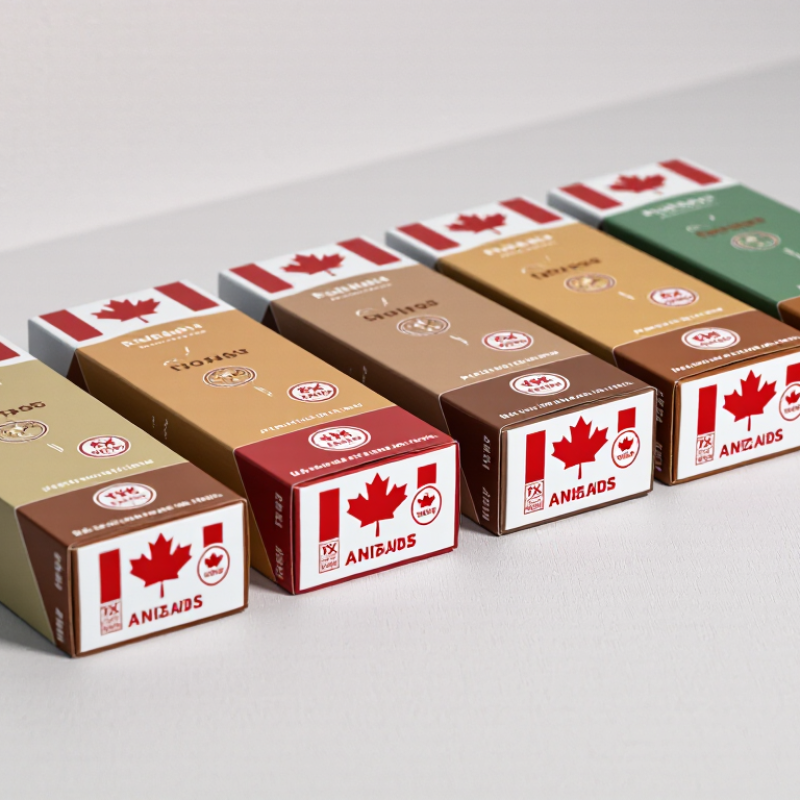
Canadian Cigarette Market Overview for Legal Global Buyers
Canada’s cigarette market is tightly regulated, with federal rules and provincial requirements shaping every legal transaction. Adult buyers should verify age rules, packaging standards, health warnings, and tax obligations before placing an order. Import conditions may differ between Canada and the destination country. A product sold legally in one market may require different documentation elsewhere.
For global buyers, reliable sourcing matters more than promotional claims. Use authorized retailers, licensed distributors, or established trade channels with clear business details. Ask for invoices, shipment records, product specifications, and confirmation of applicable duties. Packaging should be factory-sealed and display required information in the proper format. Counterfeit or improperly labeled products create serious legal and safety concerns.
A neat ranking sounds useful, but it can mislead. “Best” depends on tobacco blend, format, availability, price, and local compliance. Market data is not perfectly uniform. Provincial taxes can change the final cost sharply, while shipping restrictions may affect delivery times. Buyers should check official customs guidance and current Canadian regulations before purchasing. Keep records. They matter. Personal experience can reveal handling quality, but it cannot replace regulatory verification. Health risks also remain significant, regardless of origin or price.
Leading Canadian Cigarette Brands and Product Categories in 2026
2026 Canadian Cigarette Product Categories for Legal Buyers
Canada’s cigarette market includes several practical product categories, rather than one universal “best” choice. Common formats include king-size, regular-size, slim, and compact cigarettes. Buyers may also compare filtered and unfiltered designs, tobacco blend profiles, and pack quantities. Descriptions such as smooth, full-bodied, or light can feel useful, but they do not prove lower risk. No tobacco product is safe.
For legal adult buyers, product details should be checked through official Canadian and destination-country sources. Look for clear packaging, required health warnings, tax markings, ingredient information, and a traceable manufacturer or importer. Rules can differ sharply between provinces and countries. A familiar Canadian package may not meet another market’s requirements. That is easy to overlook.
Tips: Confirm age rules, import limits, labeling standards, and customs procedures before purchase. Compare the exact product category, not only the package design. Keep receipts and original packaging. Avoid informal sellers, unclear listings, or products with missing warnings. A careful check takes minutes. It may prevent expensive mistakes. My own assessment is imperfect: packaging changes, regulations evolve, and online descriptions can lag behind official records. Use current government guidance whenever details conflict.
How to Compare Brand Quality, Pricing, and Availability
2026 Best Canadian Cigarette Brands for Legal Global Buyers
Comparing cigarette quality requires more than taste. Check the manufacturing date, sealed packaging, health warnings, and traceable batch information. Quality is not a health claim. It describes consistency, packaging integrity, and production controls.
Pricing can look attractive until taxes, shipping, and customs charges appear. Compare the final legal cost per carton, not only the advertised shelf price. Authorized retailers usually provide clearer invoices and dependable product records. Availability also matters. A reliable seller should explain stock levels, delivery areas, age verification, and import requirements. Rules differ by destination, so buyers should confirm local laws before ordering. A product available today may disappear tomorrow.
Tips: Compare identical pack sizes. Check the production date. Request a receipt. Avoid damaged seals. Confirm legal age requirements.
I have found that availability often signals better service, but it does not prove superior quality. That assumption needs caution. Customer support should answer questions about storage, taxes, and delivery without vague promises. Climate-controlled storage can protect packaging during hot or humid transport. Still, long shipping delays may affect freshness. Independent reviews can help, but they may be incomplete or outdated. Use official regulatory information whenever possible, and keep records of purchase details.
Canadian Tobacco Laws, Packaging Rules, and Import Requirements
Canadian Tobacco Laws, Packaging Rules, and Import Requirements
Legal tobacco purchasing in Canada requires more than checking a product’s retail availability. Federal rules require tobacco packages to use standardized designs, prominent health warnings, and regulated information. Branding space is tightly controlled. Misleading claims about health, strength, or reduced risk are not acceptable. Provincial rules may also affect minimum purchase age, retail access, and taxation. The legal age is commonly 18 or 19, depending on the province or territory.
Importers should verify the destination country’s customs rules before placing an order. Requirements may include importer registration, permits, duty payments, quantity limits, and language-specific warnings. Canadian excise markings do not automatically satisfy foreign authorities. Customs may inspect package labels, invoices, and shipping descriptions. Do not rely on an old supplier statement. Regulations change, and online summaries can be incomplete.
Tips: Request clear photos of every package panel, including warnings and tax markings. Confirm the destination’s permitted quantity and documentation with its customs authority. Keep invoices and product records. A small labeling error can delay clearance. It is also wise to consult a licensed customs broker when rules are uncertain. That costs more, perhaps, but informal advice can create larger losses. Always check current government guidance before payment.
2026 Best Canadian Cigarette Brands for Legal Global Buyers
Canadian Tobacco Laws, Packaging Rules, and Import Requirements
Canada’s minimum legal age for purchasing tobacco is 18 in Alberta, Manitoba, Quebec, and Saskatchewan, and 19 in all other provinces and territories. Legal tobacco products must also comply with Canada’s plain-packaging rules, health-warning requirements, excise-stamp rules, customs procedures, and applicable import restrictions.
The chart shows the provincial and territorial minimum purchase ages applicable alongside federal tobacco controls. Canadian cigarette packages are subject to standardized plain packaging and health warnings, while commercial imports must meet Canada Border Services Agency requirements and applicable excise-duty and excise-stamp rules. Importers should verify current requirements with the Government of Canada before shipment.
Sources: Government of Canada, Tobacco and Vaping Products Act; Health Canada tobacco labelling and packaging requirements; Canada Border Services Agency, importing tobacco products; Justice Laws Website, provincial and territorial age restrictions.