2026 Best Resilient Seated Valve for Global Buyers Guide?
The global valve market is projected to reach $80 billion by 2026, with Resilient Seated Valves playing a pivotal role. With growing demand in industries such as oil and gas, water treatment, and chemical processing, these valves offer durability and efficiency. Resilient seated valves are designed to withstand pressure and provide a tight seal, making them essential for various applications.
Recent industry reports highlight that resilient seated valves can enhance operational reliability by up to 30%. However, buyers must carefully navigate options. Not all valves meet the same standards. Factors like material quality and design can significantly impact performance.
As industries evolve, the importance of selecting the right resilient seated valve cannot be overstated. Companies face challenges in ensuring they choose reliable products amid many choices. When sourcing these valves, consider not only the price but also longevity and regulatory compliance. Understanding these elements will guide buyers to make informed decisions that align with their operational needs.
Understanding Resilient Seated Valves: Key Features and Benefits
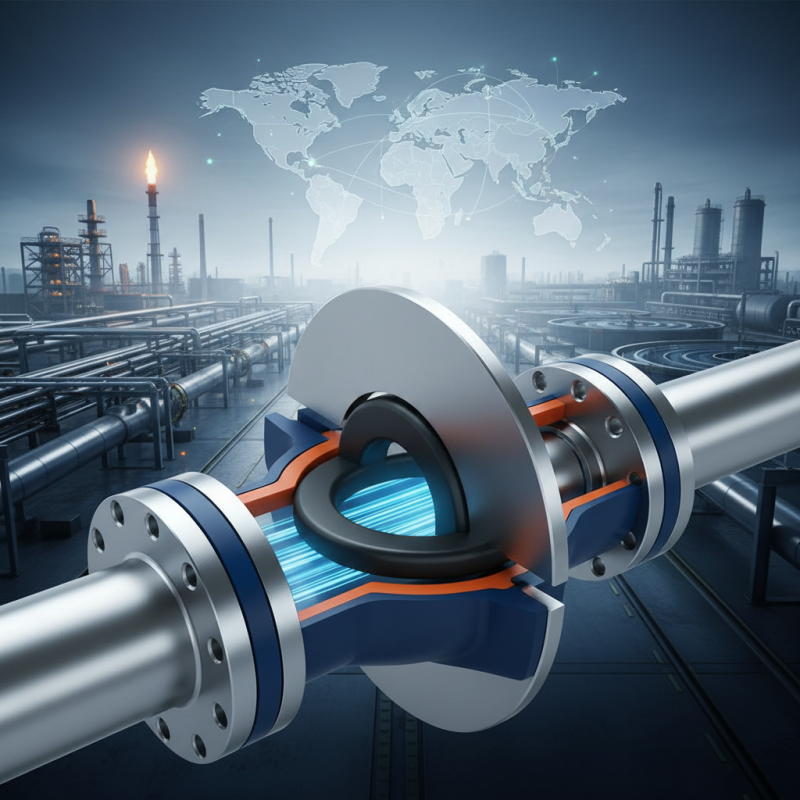
Resilient seated valves play a crucial role in various industries. They offer several key features, making them suitable for many applications. Their design includes a flexible seating surface, providing a tight seal. This prevents leakage, which is essential in fluid control systems.
These valves are often made from durable materials, enhancing their longevity. They withstand harsh conditions, including high pressure and temperature variations. This resilience contributes to system reliability. Many industries, like water treatment and HVAC, rely on these valves for optimal performance. However, selecting the right valve is not always straightforward.
Installation and maintenance can pose challenges. Improper installation may lead to performance issues. Regular inspection is necessary to ensure that the seals remain intact. The need for proper handling highlights the importance of professional guidance. Understanding the intricacies of resilient seated valves can save costs and prevent failures.
Market Trends for Resilient Seated Valves: A Global Perspective
The market for resilient seated valves is witnessing notable trends globally. Increasing industrialization drives demand for reliable valve solutions. Many industries rely on resilient seated valves due to their durability and efficiency. They provide better sealing under various pressures and temperatures. This is critical, especially in sectors like oil, gas, and water management.
Moreover, sustainability is becoming a focal point. Companies are exploring eco-friendly materials for valve production. This shift reflects a growing awareness of environmental impacts. Yet, not all manufacturers meet these rising standards. A few still use traditional methods that may harm the environment. Customers should research and ensure they choose producers who prioritize sustainability.
Additionally, the rise of smart technology influences the market. Automated systems integrate with resilient seated valves for enhanced performance. However, this trend poses challenges. Not every company is ready to adapt. There is a gap in expertise and understanding of smart systems in some sectors. Investing in training and development is essential for full industry adoption. Balancing innovation with fundamental practices remains a work in progress.
Market Trends for Resilient Seated Valves: A Global Perspective
Top Industries Using Resilient Seated Valves: Applications and Statistics
Resilient seated valves are essential in various industries due to their reliability and efficiency. They are commonly used in plumbing, water treatment, oil and gas, and HVAC systems. These valves help control the flow of fluids effectively. Their design minimizes leakage, making them ideal for critical applications.
Statistics reveal a growing demand for resilient seated valves. Industries are using them to enhance operational efficiency. In water treatment, for instance, these valves ensure a secure seal, preventing contamination. In the oil and gas sector, their durability withstands harsh environments.
Tips: When selecting a resilient seated valve, consider the material and pressure rating. Look for options that fit your specific application. Proper maintenance is crucial to ensure longevity. Regular inspections can help identify issues before they become serious, saving time and money in the long run.
Comparative Analysis: Popular Brands in the Resilient Seated Valve Market
In the resilient seated valve market, several brands stand out. Buyers often seek reliability and efficiency. A thorough comparative analysis reveals significant differences among leading brands. Valves are evaluated based on design, materials, and performance.
Key factors include ease of installation and maintenance. Many valves offer user-friendly features, yet some designs may require more attention during upkeep. This can lead to increased operational costs over time. Understanding these nuances helps buyers make informed decisions.
Users should also consider service life and warranty options. Some brands excel in durability, while others may fall short. This inconsistency prompts buyers to reflect on their specific needs. Striking a balance between price and quality is critical. Ultimately, buyers can benefit from understanding both the strengths and weaknesses of different brands.
Future Developments: Innovations in Resilient Seated Valve Technology
In recent years, innovations in resilient seated valve technology have gained significant traction. This growth is largely due to the rising demand for energy efficiency and sustainability across multiple industries. According to a market research report, the global resilient seated valve market is projected to reach USD 5 billion by 2025, with a notable CAGR of 6% from 2021 to 2025. Such data highlights the urgency for manufacturers to adapt to these trends.
Emerging technologies in valve design offer enhanced reliability and lower maintenance costs. New materials are being explored, such as high-performance polymers, which provide improved corrosion resistance and longevity. This evolution not only boosts operational efficiency but also reduces the environmental footprint. However, companies must navigate the complex landscape of testing and compliance, which can pose challenges.
Tip: Regularly assess your valve performance data. Ensure you know when maintenance is due. This can prevent costly downtime.
In terms of energy-saving possibilities, automated resilient seated valves are gaining attention. They allow for precise control of flow rates and can adjust in real-time to operational demands. Nevertheless, it is crucial to continuously monitor and evaluate these technologies. Too often, businesses rush to implement without proper testing. That can lead to issues that undermine the initial benefits.
Tip: Conduct pilot tests before full-scale implementation. Small-scale trials can identify potential issues without major investments.